Search Results
20 results for “succulent feed”

What Succulent Feeds Are Good for Rabbits?
Succulent feeds boost milk in lactating does. Good ones: beet (~1000 g, wash and chop, avoid old nitrate-forming batches), carrot (~500 g, rich in carotene), sow thistle/lettuce (750–1000 g, vitamin-rich, must be fresh and dry), and pumpkin (300–400 g steamed, ripe red). Cut amounts if mixing several to avoid diarrhea.
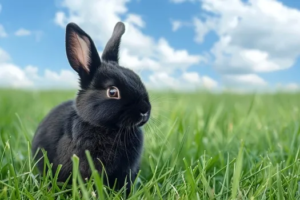
Juicy Feeds That Boost a Doe’s Milk
Lactating does make more milk on succulent feeds — beet, carrot, sow thistle, and pumpkin each bring specific nutrients and a daily portion. Wash and chop them, avoid dew-wet or un-drained leaves, and clear leftovers so nitrates do not build up and poison the doe.

Types of Rabbit Feed
Rabbit feed falls into three groups — concentrates (pellets), roughage (hay), and succulents (vegetables, roots). Pellets cover energy and protein; hay supplies the fiber rabbits need most; succulents add water and vitamins but cause diarrhea if overfed. Wash and drain greens, and treat them as occasional, not staples.

Understanding Normal Rabbit Behaviors
Knowing a rabbit's normal behaviors helps breeders spot problems early and respond in time. Key patterns include feeding and drinking, nursing, cecotrophe (soft stool) eating, and territorial marking. Recognizing what is typical versus abnormal is essential to rabbit health and productive husbandry.
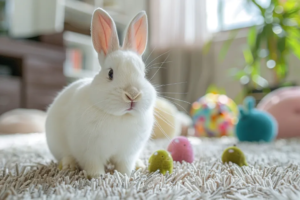
What Food Is Best for Rabbits to Eat?
What food do rabbits eat? Most people probably think of carrots. In fact, besides grass as a staple, besides carrots, there are other fresh fruits and vegetables that rabbits can eat. Below we give examples of some common foods suitable for rabbits to help them grow healthily.

How to Wean Kits
Normally owners consider weaning kits around one month of age. Weaning eases the doe's burden and supports the kits' growth, since milk alone can no longer meet their needs. Here is how to do it.

How to Schedule Breeding Buck Mating Reasonably?
Beyond the buck's own fertility, scheduling his matings well is key to raising conception. Today we discuss how to schedule buck mating reasonably.

Rabbit Mastitis
Mastitis in rabbits causes loss of appetite and refusal to nurse; without prompt treatment the doe can die from septicemia. The main signs are a hot, red, painful udder that may turn blue in severe cases. It most often appears in nursing does around 20 days after kindling.

Snow Squirrel
The Snow Squirrel is a gentle, delicate-looking rodent whose coat changes with the seasons, valued for both its fur and as a pet. An active nut-lover, it needs a varied diet, temperature-controlled housing, and safe chewing material for its teeth.

Japanese White Rabbit
The Japanese White Rabbit is essentially the large white rabbit grown in Japan, also called the Japanese Large White. Said to descend from a cross of Chinese and Japanese white rabbits, it is a common breed mainly used for production. It matures early, grows fast, tolerates coarse feed, is a good mother with strong fertility, and is often used as a "foster mother" rabbit.