Search Results
20 results for “succulent feed”
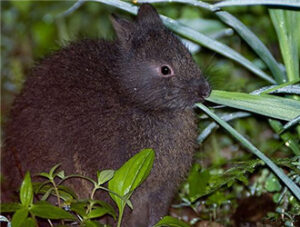
Amami Rabbit
The Amami Rabbit, also known as the Ryukyu rabbit, is an ancient wild rabbit with short ears, native to Japan and considered a living fossil and close relative of the Arctic hare. It is listed as Endangered (EN) on the IUCN Red List.

How to Prevent Rabbit Gastroenteritis
Rabbit gastroenteritis can kill within hours to days, especially in kits, so prevention beats treatment. Feed clean, regular, balanced meals; avoid spoiled or frozen food and over-rich concentrates; treat bloat early with vinegar or herbal tinctures; and keep the hutch dry and the rabbit moving to avoid constipation.

European Red Squirrel
The European Red Squirrel is native to Europe and mainly found in Britain. This charming small animal faces the danger of extinction; without protective measures it may disappear from the planet in the near future.

How to Wean Kits (Baby Rabbits)
Wean kits to let the doe recover and the young adapt: breeding/Angora/Rex at 30–40 days, meat rabbits at 28–35 days, or before 28 days under intensive 'blood mating'. Use one-time weaning for uniform litters and staged weaning for uneven ones, cut the doe's concentrates first to prevent mastitis, and keep kits in their original hutch 3–5 days post-weaning to reduce stress and losses.

Radiated Tortoise
One of the most beautiful star-patterned tortoises - a Madagascan CITES I species that is common in captivity yet wild-endangered. 'The rich man's sulcata'; hardy if set up right.

Horsfield’s Tortoise (Central Asian Tortoise)
A small, cold-adapted tortoise from Central Asia that hibernates hard - the 'four-clawed' tortoise and a challenging but rewarding steppe species.

Chaco Tortoise
The Chaco Tortoise (Chelonoidis chilensis), long misnamed the Argentine or 'Chilean' tortoise, is a rare South American tortoise from the Gran Chaco of Argentina, Paraguay, Bolivia, and Brazil. Closely related to red- and yellow-footed tortoises, it is attractive but delicate and disease-prone, so best left to experienced keepers.

Texas Tortoise
The Texas tortoise (Gopherus berlandieri) is the smallest of the gopher tortoises, native to southern Texas and northeastern Mexico. Adapted to arid deserts, it feeds mainly on high-fiber plants and is considered a challenging species to keep, so it remains uncommon in captivity.
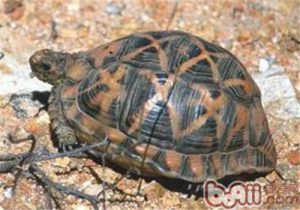
Tent Tortoise
The Tent Tortoise (Psammobates tentorius), also called the tent star tortoise, is a small, heat- and drought-tolerant tortoise that prefers plant food. Keeping it is fairly demanding, though a few individuals can be found in the pet trade.

South African Bowsprit Tortoise
The South African Bowsprit Tortoise (Chersina angulata), also called the angulated tortoise, favors dry, hot regions and becomes inactive and refuses food when captive temperatures drop below 20°C. A strictly herbivorous species, it feeds only on plant matter in the wild and accepts fruits and vegetables in captivity.
- « Previous
- 1
- 2