Search Results
181 results for “stress triggers”

What to Do When Your Cat Is Aggressive
A cat's biting and swatting often comes from hormones, teething, sharp claws, or stress — not malice. Neuter, give chew outlets, keep nails trimmed, and rebuild trust calmly; if it spirals, get a behaviorist's help.

Your Dog’s First Vaccination
A vaccine is a tamed virus (rabies is killed) that teaches the body to make antibodies without causing disease. Puppies usually get their first combination shot at 45 days; toy breeds can wait to about 8 weeks. Full protection takes 2–3 weeks, so avoid baths, new food, and stress right after.
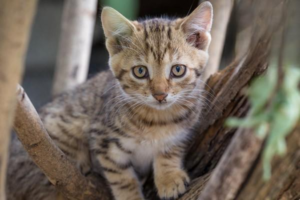
How to Clear Up Cat Acne (Black Chin)
Cat acne is a common skin condition that ranges from tiny black specks to swollen, infected follicles, and some cases clear up on their own while others keep coming back. Mild cases respond to warm compresses and hydrogen peroxide, while a plastic bowl and greasy food are the usual triggers that a stainless or ceramic dish and daily washing will fix.

Why Is Your Cat Having Diarrhea and How to Treat It
Before reaching for medicine, rule out simple causes — a dirty water bowl, spoiled food, a chilly room (keep it near 26°C), a too-fast food switch, a grain allergy, or stress. If diarrhea persists despite a cat probiotic, suspect parasites and deworm; if it worsens within a day or two with vomiting, it could be something serious like panleukopenia and needs a vet immediately.

Causes of Rabbit Pica
Rabbit pica — the compulsive eating of non-food items such as fur, bedding, or newborn kits — usually arises from a mix of behavioral, environmental, nutritional, and health factors. Cage confinement, stress, poor husbandry, low fiber or mineral gaps, and skin parasites are the most common triggers. The fix starts with finding the root cause: a calm, clean enclosure, plenty of hay, added minerals, and prompt parasite treatment.

What Does It Mean When a Cat Hisses?
A hissing cat is mimicking a snake — a defensive 'protective mimicry' that signals fear or stress, not aggression for its own sake. It shows up when territory, hunting, mothering, or handling trigger alarm, and pushing the cat harder can spiral into dangerous stress (even FIP or cystitis). Give space, avoid cornering, and let the cat decompress.

How Dogs Catch Canine Distemper
Canine distemper takes hold when a dog with low immunity meets the distemper virus — after a 1–2 week incubation, the virus flares and causes diarrhea, coughing, sneezing, and vomiting. Common triggers are cow's-milk diarrhea, spoiled meat, incomplete or failed vaccination, chills, early walks, stress, and skipped deworming. The single best defense is a full vaccine course (the six-in-one core shot) starting around two months of age.
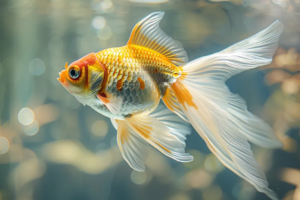
What to Do When Arowana Fish Fight
Arowanas are fiercely territorial, so fights in a community tank usually come down to cramped space, scarce food, or a big size gap. Give them room and steady feeding, match tank mates by size and temperament, and use a divider to introduce newcomers before they share open water.

Can Feline Asthma Be Cured? How Is It Treated?
Feline asthma is a chronic, allergy-driven condition that can't be cured, only managed. Triggers include scents, smoke, dust, and obesity; attacks show as coughing, wheezing, and the telling 'hen squat.' Keep the air clean and see a vet the moment that posture appears.

Causes and Symptoms of Common Feline Urinary Tract Diseases
The most common feline urinary signs are abnormal urination and discolored urine — straining, incontinence, or brown urine — and they tie to low water intake, stress, and obesity. Watch for frequent litter-box trips, blood in urine, and pain, and see a vet at once to avoid kidney failure.