Search Results
181 results for “stress triggers”

Causes and Signs of Stress in Cats
Cats hide discomfort well, so stress slips by unnoticed until it sparks illness — a new pet, a household argument, or a move can all be the trigger. Physical signs include dilated pupils and fast breathing, while behavior shifts to hiding or aggression, and severe stress can even be fatal.

How to Tell If a Cat Is Stressed
A cat's mood swings sharply with its environment, and stress ranges from a few days of acute reaction to chronic pressure lasting weeks or months—the chronic kind is the most dangerous. Common chronic triggers include multi-cat conflict, moving, new family members, litter-box problems, diet changes, and shifts in the owner's own routine or stress.

What Are the Symptoms of Stress in Rabbits?
Rabbits startle easily and stress at almost nothing; signs range from poor appetite and hiding to collapse, frothing at the mouth, and grinding teeth. Common triggers are loud noise, a new home, pain from gut or dental disease, and the scent of predators such as cats and dogs. Severe stress is life-threatening and needs a vet at once.

Is Cat Stress Really That Scary?
Cats are sensitive, suspicious animals, so stimulated or frightened easily, causing stress—a set of physiological and behavioral reactions to unpleasant stimuli.

How to Reduce Your Cat’s Stress at Home
Have you considered that your kitten might be stressed? No matter how peaceful the home, most cats face stress at some point.

How to Help a Cat That Gets Severely Stressed When Going Out
Indoor and naturally timid cats can suffer severe stress when taken outside, with signs ranging from refusal to eat and diarrhea to, in extreme cases, FIP or even sudden death. Keep your cat in a secure carrier, comfort it with familiar items, and practice carrier training in advance to prevent travel anxiety.

The Dangers of Stress in Rabbits
Stress in rabbits, triggered by fright, sudden noise, environment changes, or poor husbandry, causes anything from reduced appetite to fatal collapse. Pregnant, lactating, and young rabbits are especially vulnerable, so quiet housing, stable feeding, and correct vaccination are key preventives.

What Are a Rabbit’s Stress Responses?
Rabbits are timid and startle easily; severe stress can even kill. This guide covers the signs and the environmental triggers — noise, temperature, humidity, light — owners must control.
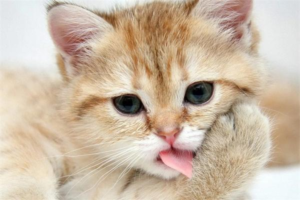
How to Calm a Stressed Cat (Feline Stress Response)
Stress can cause digestive issues, mood swings, and behavior changes. To ease it, find the cause, create a stable safe environment, spend more time, and use pheromones or calming scents. Prevention is a stable home and watching mood. If the cat vomits, won't eat, or shows urinary blockage/blood, see a vet promptly.
What are the signs of a stress response in dogs?
Common stress reactions in dogs include vomiting, diarrhea, frantic tongue licking, self-biting, and loss of bladder or bowel control; severe cases may even lead to seizures or death. Stress lowers immunity and raises the risk of other illnesses, so owners should avoid frightening their dogs.