Search Results
181 results for “stress triggers”

How to Stop Your Dog from Barking Constantly
Many owners have faced this: a normally quiet dog suddenly barks nonstop, and the more you scold it, the harder it barks - eventually disturbing the neighbors and drawing complaints.

Common Feline Urinary Tract Diseases
Urinary diseases affect a cat's urinary system — urinary tract infection, cystitis, stones, renal failure and more. Here are the symptoms and causes.
How Is Feline HCM Treated?
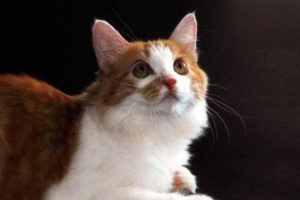
HCM cannot be cured and stays for life, but early treatment controls it well. Care centers on beta-blockers, diltiazem, diuretics for edema, and anticoagulants for clots — plus keeping a heart drug at home and minimizing stress.

How Feline HCM Can Cause Sudden Death in Cats
Feline hypertrophic cardiomyopathy (HCM) is a common, inherited heart condition that can trigger sudden death from stress. Learn the signs, the risk in certain breeds, and how a calm, low-stress life helps prevent tragedy.

Chinchilla Twitching: Causes and How to Respond
Occasional mild twitching or trembling in a chinchilla can be perfectly normal—chinchillas often flick their faces to sense air currents and check for danger. However, repeated or severe twitching may point to a nutritional imbalance, chronic stress, or an underlying illness. Calcium or vitamin B1 deficiency, loud or bright stressful environments, and conditions such as liver disease, diabetes, epilepsy, or poisoning can all trigger muscle spasms. Because twitching can be an early warning sign, owners should observe their pet closely and seek veterinary care if the behavior is frequent or comes with other symptoms. A balanced diet, a calm and comfortable habitat, and stable temperatures are the best preventive measures.

Do Ragdoll Cats Get Diarrhea Easily?
Ragdolls have more sensitive stomachs than the average cat, so diarrhea is common. Causes range from spoiled food and stress to parasites and, in severe cases, panleukopenia—most mild cases settle with brief fasting, but vomiting with blood or lethargy means a vet visit.

How Dogs Get Car Sick and What to Do
Dogs — especially puppies — do get carsick, starting with lip-licking, a runny nose, and drooling and, if ignored, vomiting or even losing control of urine and stool. Pull over to a calm open space, and for known sufferers ask the vet for motion-sickness medicine before a long trip.

Signs and Management of Seizures in Dogs
Canine epilepsy is a recurrent neurological disorder marked by uncontrolled collapsing and convulsions, progressing through pre-ictal, ictal, and post-ictal phases. During a seizure your options are limited—protect the dog from injury and record the episode for the vet. Stay calm and comfort your dog as it recovers.

Why Is My Cat Having Diarrhea Again?
Diarrhea is loose or unformed stool from food moving too fast through the gut to absorb water and nutrients, and it can be acute or chronic. Causes range from infections, parasites, and diet changes to stress and underlying gut disease; at home, keep water available, feed small frequent easily digested meals, and use smectite or pet probiotics for mild cases — but see a vet for blood, fever, lethargy, or ongoing diarrhea in an unvaccinated cat.
Why Cats Foam at the Mouth and How to Treat It
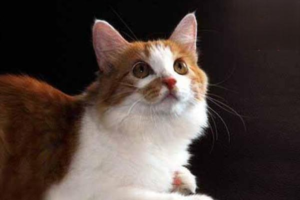
Foaming at the mouth in cats often comes from excess stomach acid, unsuitable or excessive food, poisoning (lilies, acetaminophen), or stress. Treatment depends on the cause — fasting and antibiotics for gastritis, smaller fiber-rich meals for food issues, immediate vet care for poisoning, and a gentle transition for stress.