Search Results
181 results for “stress triggers”

Why Do Dogs Get Too Stressed?
Dogs can build up significant stress from loneliness, hunger or thirst, noise, too little exercise, a poor or changing environment, emotional neglect, or shifts in the household. Owners should provide a calm, comfortable home, enough activity, and daily interaction to meet both physical and mental needs.

Are Timid Cats More Prone to Stress?
Timid cats really do stress more easily, spooking at small noises or changes like a stranger visiting or rearranged furniture, and a stress response can range from hiding to vomiting, diarrhea, fast breathing, or even urinary blockage and, in extreme cases, death. Stress is a physical and mental reaction that puts the body on alert and, if prolonged, can damage organs or cause sudden collapse. Timid cats tend to be emotionally rich and very sensitive to environment change, so the fix is a stable, quiet home with few surprises, plus gradual socialization to build confidence. After a stress episode, give space and only comfort once calm; seek a vet if signs are severe or persist.

What to Do When Your Hamster Is Stressed
Stress harms a hamster's well-being. A frightened hamster may freeze, refuse food and water, and gnaw the cage bars. Acting quickly to calm it protects its health. First give it a safe, quiet, comfortable space and avoid more scares; offer fresh water and favorite foods to distract it, and add safe items to burn off energy. Because hamsters are nocturnal and easily startled, a calm, warm home and gentle daily interaction—or a companion—help prevent stress in the first place.
Cat Stress Reactions and How to Ease Them
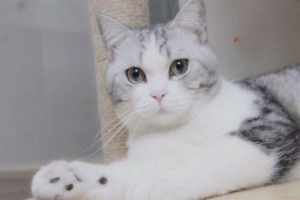
Stress is the most common feline behavior problem and a driver of many diseases. Triggers include new homes, vet or grooming visits, noise, household changes, and resource competition in multi-cat homes. Signs range from acute fear to chronic hiding, over-grooming, and aggression. Ease stress with a calm space, play, pheromones, and a vet check.

Cat Stress: Signs and What to Do
Basic knowledge about stress reactions in cats.

What to Do About Cat Stress (Stress Response)
Stress weakens a cat's immune system and can trigger bladder, gut, and breathing problems along with anxiety. A calm environment, a safe hideaway, and patience help; good early socialization prevents much of it.
Why do dogs like to hide food?
Hiding food is instinct—ancestors buried it to avoid theft and shortage. Insecurity/stress triggers it for safety. It's natural; give enough food/water and love/security to reduce it.
My cat leaves a small damp, odorless patch on the sofa and my lap – is it a urinary problem?
A small odorless damp mark may be sweat from the paw pads, a cat's main cooling tool and sweat-gland site; heat or stress triggers paw sweating. Also check whether the urethral opening is moist, since dribbling or leaking can occur with urinary disease or stress.
How long can a cat hold its stool?
An adult cat can hold stool 2-3 days; normally it defecates at least daily. Holding may mean fright or dislike of litter/box; cats in strange places like clinics hardly defecate, and stress triggers holding.

How Dangerous Is Urinary Blockage in Male Cats?
Urinary blockage is one of the most common — and most recurring — emergencies in male cats, and if untreated it damages the kidneys and can kill. Watch for frequent, strained, bloody, or absent urination, and prevent it with water, the right diet, low stress, and exercise.