Search Results
19 results for “stop cage biting”

GiantSchnauze
The Giant Schnauzer, also called the Large Schnauzer, is a German working dog bred in the 15th century from the rough-coated cattle dog and Miniature Schnauzer. Larger than its cousins, it is strong, enduring and loyal, though it needs firm training from puppyhood to curb aggression.

Nanday Parakeet
If someone asks you the representative bird species of the Pantanal, answering Nanday Parakeet will meet no objection. Although some choose them as pets, not everyone likes them — local farmers are at odds with them, mainly because the Nanday Parakeet eats crops and directly reduces yields.
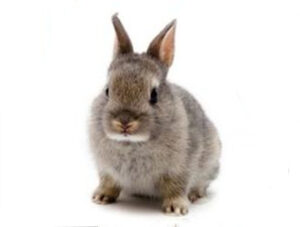
Dwarf Rabbit
The Dwarf Rabbit is a classic pet rabbit breed with a very small, adorable body that never grows large—its defining trait. Purebreds are expensive and rare, so beware of sellers passing off ordinary baby rabbits as Dwarf Rabbits; a true Dwarf Rabbit stays tiny for life.

Orange-winged Parrot
The Orange-winged Parrot (Amazona amazonica) has 2 subspecies and lives in forests, swamps, and open areas across northern South America. Common and affordable, it is a good choice for beginners, though wild birds and captive birds differ noticeably in appearance and temperament.
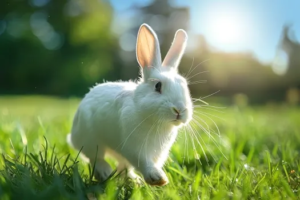
Rabbit Hairball Disease: Causes and Treatment
Hairball disease, common in long-haired rabbits, comes from swallowing too much fur and blocks the gut with constipation, bloating, and sometimes death. Causes range from cramped cages and poor diet to vitamin or mineral gaps and skin disease. Prevent it with full-ratio feed, isolation of fur-eaters, and regular grooming; treat with vegetable oil and enzyme tablets to pass the mass.

What to Do When a Budgerigar Bites, and How to Correct It
A budgerigar rarely bites without reason; biting usually means fear, a self-defense reaction. Once you know why, correcting it is straightforward.

How to Care for a Pregnant Hamster
Once a female hamster is pregnant, separate her from the male at once — cohabiting risks fights, the male eating the pups, and a quick re-pregnancy while she nurses. Keep her in a warm (25–29°C), quiet, dry, ventilated, clean cage, feed a bit more with constant fresh water, and avoid obesity that can cause dystocia.

What Long-Term Caging Does to a Cat
Cats are born free spirits and caging them long term harms body and mind. It causes anxiety, fear of people, and odd behaviors like over-grooming or chewing the bars; physical limits lead to stiff joints, muscle loss, obesity, heart risk, constipation, and poor bone development; little contact blunts social skills; suppressed instincts distort natural behavior; and cage life can ruin litter habits and cause odor. Caging should be rare and short, only for health or safety limits. Instead, cat-proof the home with mesh on windows and doors, give a cat tree and scratcher, litter-train, and let the cat roam free with your company.

Anglo Mink
The Anglo Mink is the domesticated pet ferret (Anglo / Marshall lines) kept as a companion animal. Intelligent, gentle, and easy to litter-train, it is heat-sensitive and mischievous when unwatched, needs a large wire-free cage and 4+ hours out daily, and eats a meat-based diet (30–35% protein, 15–20% fat). Lifespan 8–12 years.
- « Previous
- 1
- 2