GiantSchnauze
2 Photo Gallery
View All 5 Photos

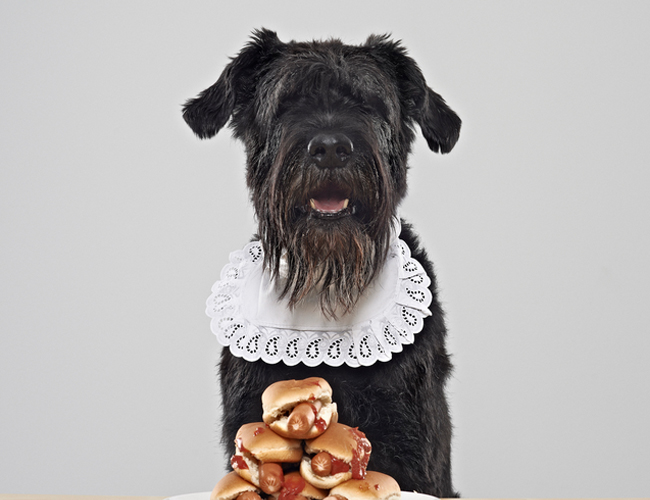

1 Breed Introduction
The Giant Schnauzer (GiantSchnauze), also known as the Large Schnauzer, originated in Germany in the 15th century. In basic appearance it is simply an enlarged Standard Schnauzer, similar in every respect except size. It is the result of crossing the rough-coated cattle-driving dog with the Miniature Schnauzer. Its healthy, reliable temperament, rough appearance and dense weather-resistant coat make it a working dog of great strength and endurance with one or more uses.
2 Physical Characteristics
Giant Schnauzer (detailed introduction)
The ideal adult Giant Schnauzer stands 45-75 cm at the shoulder and weighs around 35 kg. A medium-sized build is best. The hard, dense wire coat has a soft undercoat and a rough outer coat; against the grain the hair is neither smooth nor flat. The top of the head is coarse, with the typical Schnauzer beard and eyebrows.
Physical characteristics
Sturdy and rectangular in outline, and long; it narrows slightly from the ears through the eyes to the nose. The total length is about half the length of the back (from withers to tail root). The head matches the sex and overall structure. The muzzle outline runs parallel to the skull; the stop is slight and the brows prominent.
Skull (from occiput to stop): moderate width between the ears, the occiput not very pronounced. The top of the head is flat; no wrinkles.
Cheeks: flat but with developed biting muscles; no ‘thick-skinned’ effect that would spoil the rectangular head outline (including the beard).
Muzzle: strong and filling the space below the eyes; parallel to and equal in length to the skull outline; ending in a blunt wedge. The nose is large, black and full; the lips are tight, non-overlapping and black.
Bite: a complete and healthy set of white teeth (6/6 incisors, 2/2 canines, 8/8 premolars, 4/6 molars) in a scissor bite. The jaws are powerful and perfectly structured.
Eyes: medium-sized, deep brown and deep-set. Oval in shape, with a keen expression and tight eyelids. The eyebrows are not so long as to impair vision or cover the eyes.
Neck: strong, with a graceful curve, medium length, cleanly joined to the shoulders, with tight throat skin; in proportion to the overall height and length.
Its movement is judged at a trot. The gait should be extended, steady and powerful, with good front reach and strong rear drive. The front and hind legs neither turn in nor out. As speed increases, correct structure keeps the dog moving in a straight line, with a strong, stable and level rear.
3 Temperament
Giant Schnauzer (detailed introduction)
The Giant Schnauzer is very similar in character to the Standard and Miniature versions: not only does it have a cool, handsome look, but its personality is equally tough, and without training from a young age it can become aggressive.
The Giant Schnauzer is family-centered, loyal and devoted, hostile toward strangers, and is praised as the dog that most pleases its family. It is eager to learn and highly receptive to skills training. Outgoing and lively, with an animated expression and an athlete’s build.
The Giant Schnauzer is independent; without training as a puppy it can become aggressive. In general Schnauzers have a strong sense of self-worth, giving the impression they know how to handle a situation, so it is best to trust their instincts and let them deal with it.
Strong, energetic and agile, with an almost rectangular body. Lively, calm, alert, intelligent, brave, loyal and gentle. Its rough appearance, curly wire coat and trustworthy nature make the Giant Schnauzer not only a most useful and hardworking working dog but also one of the best companion dogs to keep.
4 Care and Maintenance
Giant Schnauzer (detailed introduction)
Like most dogs, the Giant Schnauzer is cold-hardy but not heat-tolerant, and this breed is no exception. Apart from its large size and difficult coat, it is relatively easy to keep. Different homes give dogs different environments, so how should one keep a Giant Schnauzer in varying conditions?
Care in cold regions
Basically the Giant Schnauzer is cold-hardy and needs little worry, but in the cold winter you can feed it higher-protein, higher-calorie food. To keep drafts off your dog, surround the crate with a blanket or rug.
Care in hot regions
Because of its coat and skin structure, the Giant Schnauzer cannot tolerate hot, humid weather, so extra care is needed. Take it for walks in the cool early morning, and it loves playing in water.
When kept outdoors, move the doghouse out of direct sunlight and keep it clean at all times.
Indoor apartment care
More and more people keep Giant Schnauzers indoors, but they should only be allowed free roam when a family member is present. When out or at night there may be danger, so be sure to teach it to go to its crate.
Dogs spend most of their time outdoors, so train them to relieve themselves outside. Training a puppy’s habits is hard work, but even in an apartment you should take it outside to relieve itself. Dual-income families who can only walk the dog in the evening may find the dog’s skin becomes fragile, so make sure to give it plenty of sunlight.
Outdoor care
Keeping a Giant Schnauzer outdoors is risky, so at night you can first place the doghouse by the entryway so it gradually gets used to the outdoors.
Even in your own yard, letting a puppy run around freely is dangerous. Use a foldable playpen to make a safe dog area so the puppy can play freely. When playing in the yard or outdoors, someone must always stand by.
5 Feeding Guidelines
Giant Schnauzer (detailed introduction)
The Giant Schnauzer is the largest of the three Schnauzers, so its daily food intake should exceed the other two. Feed it according to its habits and physical traits with scientific care. Feed quality dog food at fixed times; never let it share human food. There are three things to note when feeding a Giant Schnauzer.
First, how much to feed
Feed a dog only about 70% full, not too much, leaving it wanting more; eating too much then running and jumping easily brings it all back up. Puppies caged all year treat meals as rare entertainment and act starving, but don’t be fooled. A dog that is never full, with little exercise and poor elimination, may be ill – see a vet. When changing food, don’t switch all at once; mix in half new food for two or three days, gradually increasing, and use only the new food after a week, so the digestion can adapt and avoid diarrhea.
Many owners think dogs need bones, but bones can block the intestines, causing constipation, vomiting and poor appetite. Chicken bones especially must never be given, as they are small and brittle and can lodge in the esophagus or pierce the gut. Always provide plenty of fresh water with meals; distilled or boiled water is unnecessary. In short, fixed time, amount and place make dog and family happy.
Second, feeding frequency and timing
Daily frequency: weaning to 3 months: three to four times; 3 to 6 months: two to three times; 6 months to 1 year: twice; over 1 year: one to two times.
Feeding time can fit your schedule, but consider the time for the walk, elimination and cleaning the bowl afterward. Wash the bowl right after eating to avoid attracting rodents, cockroaches or ants, or food spoiling in sun and rain. Remove the bowl so it doesn’t get played with or chewed. How much to feed usually follows the label, adjusted by leftovers from last meal.
Third, types of dog food
Dog food mainly comes as dry kibble and canned, plus snacks like large biscuits, deodorizing biscuits and beef jerky. Nutrition is similar across brands; pricier ones have special formulas for age and breed, so compare beforehand.
By age, feed the right food: puppy food for puppies, adult for adults, senior for seniors, overweight-formula for heavy dogs – don’t mix them up. Dry food has stable, even nutrition and helps clean tartar as the dog chews, but with urinary stones avoid dry food unless it’s a prescription diet.
Canned food varies in nutrition by price; higher-priced uses better ingredients, lower-priced is mostly unground organs – its advantage is less vitamin loss and better palatability, but more meat means smellier stools and more tartar. Dry food is less tasty but easier to digest and less smelly. Snacks are good rewards in training; don’t give your own snacks often, as they spoil the dog’s appetite. Avoid gum, ice cream and cake – they cause cavities, upset stomach and weight gain, and ruin the main meal.