Search Results
960 results for “sick cat”
Why don’t cats die at home?
It is an instinct: when severely ill, cats hide to avoid predators, and some say they seek healing herbs in the wild. Domestic cats may also leave to spare their owner grief. This is folk belief rather than proven fact.
What types of skin diseases do cats get?
Cat skin diseases mainly include fungal dermatitis, bacterial dermatitis, allergic dermatitis, and skin problems from parasites or endocrine disorders. In practice, fungal, bacterial and parasitic infections are most common and are contagious, so multi-cat homes must isolate the sick cat and disinfect the environment. Allergy- and hormone-related skin issues usually aren't contagious and may tie to diet — get a vet diagnosis before medicating.
What kind of cat is the cheapest?
In China's pet market, the native Chinese rural cat is usually the cheapest - often just tens of yuan and very hardy. Among pedigree cats, British and American Shorthairs tend to be the most affordable.
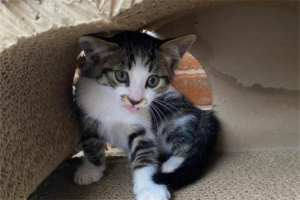
Common Causes of Death in Stray Cats
Stray cats die from cars, fights with dogs, starvation, abuse, poisoning, and disease. Harsh living, no steady food, and weak immunity make illness often fatal, especially in winter and for newborn kittens. Don't abandon pets, and don't add to their struggle.
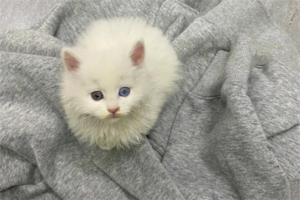
Why Do Cats Purr
Most purring is normal — a sign of contentment, self-soothing, communication, and healing. But sick cats purr too, so watch for poor appetite or lethargy. Interestingly, a cat's purr can lower a person's blood pressure and stress.
Is Your Cat More Sensitive to Cold or Heat? What Every Owner Should Know
A cat's normal body temperature is 37.5–39.2°C, and its limited sweat glands make it far better at handling cold than heat. Heat stress can set in above 38°C (panting, lethargy, drooling, even collapse), while most cats feel cold below 10°C — kittens, seniors, and short-haired breeds need extra warmth. Keep the home between 16–21°C and warm the bed in winter.

What Is a ‘Week Cat’ and How to Avoid Buying One
A 'week cat' looks healthy in the shop but is already sick; it usually falls ill 3-5 days after you take it home and may die within a week. Buy from reputable sources, demand health and vaccine records, and get a vet checkup right away.
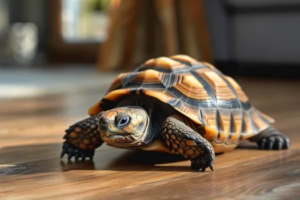
How to Tell If Your Turtle Is Sick
A sick turtle shows clear warning signs: sluggish reactions, sunken limbs, floating for long periods, swollen neck or legs, abnormal droppings, and shell rot. Watch your turtle daily so you can act early and avoid serious illness.

When Can a Cat Freeze to Death from Cold Weather?
A cat with no shelter can freeze to death once temperatures drop below about 15°C (59°F), with kittens, sick, and underweight cats most at risk. In winter, feral cats also face starvation, dehydration, and fatal accidents under parked cars. Simple steps—clean water (with a little brown sugar to slow freezing), food, and a cardboard-box shelter—can save lives.

Should You Test Antibodies After Vaccinating Your Cat?
Antibody testing after vaccination confirms the vaccine worked. A normal titer sits between S3 and S5; below S3 means the cat is not protected and needs a booster. Test about 15 days after the final shot, and avoid baths or outings right after vaccination.