Search Results
960 results for “sick cat”

Siamese Cat: Pros and Cons
Siamese pros: very affectionate and loyal, obedient and smart, and empathetic — they stick by their person, respond to cues, and quietly comfort you when you're down. Cons: they vocalize a lot (especially anxious, sick, or in heat), their coat darkens with age/weather/light (the 'little coal ball'), they can be destructive if under-exercised, and they shed. Accept these before you commit.

Why Do Cats Meow?
Cats meow to communicate needs and moods — attracting mates in heat, asking for food or water, coping with a new home, seeking attention, signaling injury or illness, or expressing emotion. A sudden spike in meowing with signs of distress means a health check.

Does Strong-Smelling Cat Urine Mean Illness?
Cat urine naturally contains ammonia and other compounds, so some odor is normal — especially in unneutered toms, whose pheromone-laced urine marks territory and smells stronger. Diet, water intake, and litter type also affect odor. But a sudden, unusually strong or sweet smell with little urine, frequency, or pain can signal a UTI, stones, or kidney disease; a sweet scent in particular may mean diabetes — see a vet.
What Does It Mean When a Stray Cat Rubs Against You?
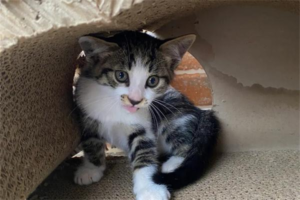
A stray cat rubbing on you usually signals affection and trust — but it may also be seeking food, help, a home, or even 'claiming' you. Strays lack steady food, so they approach friendly people for a meal. Some were once pets and still hope to be adopted. Stay cautious: keep distance to avoid bites, watch for illness, and if you take one in, get a vet check, vaccines, and deworming.

When Does a Cat Get Angry and Bite?
A cat may suddenly bite when its territory is invaded, it's startled, the environment changes, or it's in pain or discomfort. Petting too long or hitting a sensitive spot can provoke it; a frightened cat may bite in self-defense; and a cat in pain can turn aggressive. Respect its space, read its body, and see a vet if biting comes with signs of illness.
Is It Safe to Drink Water a Cat Has Licked?
For a healthy adult, an occasional sip of water a healthy cat has licked is low risk — your immune system handles small amounts of bacteria. Avoid it when the cat is sick (stomatitis, gingivitis, vomiting, or diarrhea), when you are immunocompromised (elderly, children, pregnant, diabetic, or living with HIV), or when the water is heavily contaminated. If you accidentally drink it and feel fine, just hydrate well — no panic needed.

Do Cats Cry?
Cats do produce tears, but tearing is rarely from sadness—most often it's flat-face anatomy, eye disease, food, irritants, or smells. True emotional crying is rare. Wipe the eyes clean, rule out irritants or illness, and see a vet if tearing persists.

Can You Vaccinate Your Cat at Home?
It's generally not advised to vaccinate a cat at home. Personal supply chains are unverified and poor storage can ruin the vaccine, and proper site, dose, and after-care need a vet's skill — mistakes cause pain, poor uptake, or overdose reactions. Severe allergic reactions at home are hard to treat in time. If a clinic is impossible, study the technique, and watch the cat closely afterward.

The Benefits and Risks of Feeding Cats Liver
In moderation, liver supplies vitamin A, B vitamins, iron, protein, and taurine, boosts appetite and immunity, and helps prevent anemia — but too much causes vitamin A toxicity, calcium loss, obesity, and bleeding problems. Feed it cooked, at most once a week, and follow your vet's advice for sick cats.
A Detailed Cat Weight-Loss Plan
A healthy house cat weighs about 3.5–5.5 kg; over 6 kg (except large breeds like Maine Coon or Ragdoll) means it's overweight and needs to slim down. Switch to a high-protein, low-fat, low-carb food and cut the daily total by 20%, repeating if needed once weight stabilizes. Boost activity with wand, laser, and feather toys to burn fat — but never slash food sharply, since long fasting can harm the gut or trigger fatty liver.