Search Results
960 results for “sick cat”
Is a Cat Bed a Must-Have or Just a Gimmick?
A cat bed isn't a gimmick, but it's not strictly necessary either — it depends on the cat. A good bed gives a sense of security and warmth in winter, beyond just a place to sleep. If your cat ignores the bed, don't force it; a box, blanket, or pet mattress works too. Choose soft, warm, breathable natural materials like short plush or felt, and pick a size about 1.5 times the cat's body length — cats like a snug wrap and a too-big bed feels insecure.

Common Side Effects After Cat Vaccination and What to Do
Mild reactions after a cat's vaccination—low fever, tiredness, poor appetite—are normal and usually fade in 1–3 days as the body builds antibodies. Watch for serious signs like facial swelling, vomiting, or breathing trouble and head to the vet; keep the cat calm, hydrated, and away from other cats for a week.
What does it mean when a stray cat follows you?
A stray cat following you is simply seeking help when hungry or unwell, not an omen. Cats have no mystical powers, so do not read luck into the encounter.
What are the early symptoms of feline rhinotracheitis (cat flu)?
Early signs include frequent sneezing, increased eye discharge, tearing, red conjunctiva, more nasal discharge, reduced appetite, fever, and lethargy. Treat early — advanced cases can be fatal.

Free-Roaming Cats: The Pros and Cons
Free-roaming (letting a cat roam outdoors) has both upsides and downsides. The benefits are freedom, more exercise, and better mental health, the cat explores, satisfies curiosity, stays active and social, and is less repressed than a strictly confined one. But the outdoors carries real danger: traffic and fights with strays, exposure to bacteria, ticks, and fleas that raise skin and infectious disease risk (and can threaten the family at home), and the chance the cat wanders off and never returns. If you choose to free-roam, do it in a enclosed safe area, keep up deworming and vaccines, and fit a tracker. Weigh the trade-offs for your cat's personality and setting.

Dry or Wet Cat Food: Which Is Better? (Most Owners Pick Wrong)
Neither dry nor wet food is absolutely better; it depends on the cat. A healthy adult can follow a "dry in the morning, wet in the evening" rule, meeting nutrition and water needs while avoiding spoilage. Special cases, senior cats with poor teeth, 2-3 month kittens, and cats with urinary disease, should lean toward wet food. The catch: long-term wet feeding needs extra dental care. Dry food is convenient, cheap, and helps scrape teeth but is only ~5% moisture and calorie-dense, raising dehydration and obesity risk. Wet food is 70-80% moisture, tastier, and nutrient-rich but costs more, spoils fast, and leaves more residue on teeth.
How to Stop Your Cat from Peeing on the Bed
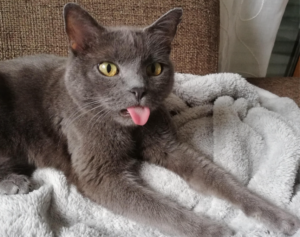
Finding a yellow wet spot on the bed is every cat owner's nightmare. Before anything else, rule out disease: feline lower urinary tract disease (FLUTD) makes urination painful, so cats link the box with discomfort and seek softer spots like the bed. If peeing comes with straining, blood, or constant licking, see a vet. Non-medical causes are a disliked litter box (bad location, poor hygiene, wrong litter, too few boxes in multi-cat homes) and stress or anxiety. Fixes: upgrade the box, scoop twice daily, follow the n+1 rule, ease anxiety with play and pheromone spray, and remove the urine scent with an enzymatic cleaner plus detergent. Most cats return to normal in 2-3 weeks.
Can a Cat’s Personality Change?
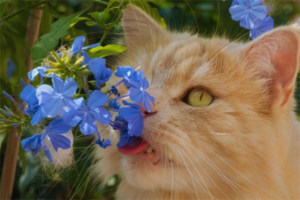
A cat's personality can shift under certain conditions, influenced by negative experiences, health, age, and genetics. For example, a once sunny cat may become timid or depressed after abuse or the loss of a companion. To keep a cat's character stable and healthy, provide a steady environment, proper socialization, and plenty of affection.
Why Is Your Cat Panting in the Car? Causes and What to Do
If your cat pants with its mouth open on a car ride, don’t ignore it. In most cases—around 80%—it’s fear: indoor cats suddenly confined in a small, noisy, vibrating space experience a spike in adrenaline that speeds up heart and breathing, and open-mouth breathing is how they meet the higher oxygen demand. But panting can also signal heatstroke, carsickness, or an underlying heart or respiratory condition. This article explains the main causes, how to tell them apart, and a graded response—from calming a mildly stressed cat to urgent steps if the tongue turns blue—so travel becomes less frightening for everyone.

Why Has Your Cat Suddenly Become Aggressive?
A cat can turn aggressive for many reasons, including physical health problems, social conflict, bad past experiences, lack of play and stimulation, and fear or stress. Owners should learn their cat's physical and emotional needs and provide affection, social contact, stimulation, and a safe environment to prevent negative moods. If the aggression persists or worsens, have the cat checked at a veterinary clinic and, when needed, consult a professional animal behaviorist.