Search Results
248 results for “shedding season”

Ball Python
The most popular pet python in the world - a gentle, modest-sized constrictor that curls into a ball when nervous, and comes in endless morphs.

Angora Rabbit
The Angora Rabbit is the fluffy 'grass-mud rabbit' kept for its superfine wool (11 microns, finer than cashmere). Gentle but high-maintenance, it needs shearing every 3–4 months and constant hay to avoid deadly wool block (hairball impaction). Lifespan about 5–7 years.
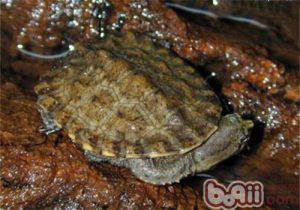
South American Snake-necked Turtle
The South American Snake-necked Turtle (Hydromedusa tectifera), also called the Argentine snake-necked turtle, is a popular but challenging species with a long smooth neck and rock-like shell. It is prone to shell rot and demands cool, slightly acidic water and careful husbandry.

Mud and Musk Turtles (Egg Turtles)
The 'egg turtle' is not a single species but the common nickname for the family Kinosternidae — mud turtles and musk turtles — named for their smooth, egg-shaped carapace. Mostly North American, they are popular, interactive pets, but each species differs in size, care difficulty and husbandry, so research the exact species before buying.

What to Prepare Before Getting Your First Cat
We would not move into a new home before the furniture is ready; that is human habit. Before bringing a cat home, prepare its food and daily necessities to help it settle into the new environment.

The Benefits and Risks of Pumpkin for Cats and Dogs
Although cats and dogs are meat eaters, a sensible amount of plain pumpkin supports digestion, urinary health, weight control, and hairball passage. Served correctly, it's a safe, natural addition to many pets' diets.

Autumn Care Tips for Your Cat
Autumn raises three risks for cats: skin trouble from dampness, hairballs during shedding, and weak coats from poor nutrition. Good ventilation, grooming, supplements, and extra water keep your cat healthy through the fall.

When Do Ragdoll Cats Shed the Most?
Ragdolls shed most heavily in the cooler months, especially from September to November, as part of normal seasonal shedding. Regular coat care, added dietary oils, and consistent home cleaning keep loose fur under control.
- « Previous
- 1
- …
- 23
- 24
- 25