Search Results
248 results for “shedding season”

Cymric
The Cymric, English name Cymric, is also called the Longhaired Manx or Longhaired Isle of Man cat. From its alias we know it is a longhaired cat; though long-haired, it's not hard to groom. Its most striking feature is having no tail, drawing immediate attention.

Canadian Hairless
The Canadian Hairless, also called the Sphynx, is an extremely rare hairless genetic variant that appeared during the breeding of American or European domestic cats. Although it shares the skin pigment of domestic cats, its skin bears only a few hairs. With a wedge-shaped body, large ears, and a bulky frame, its head looks like Yoda's. The whole look makes it seem not cute but rather frightening compared with domestic cats.
Why does my hamster lose fur?
Common causes: poor diet, seasonal shedding, parasites, old age, or skin disease. Single-nutrient or deficient food causes malnutrition and shedding; aging brings loose skin and hair loss (normal); spring/autumn seasonal shedding is normal. But skin disease causes shedding with redness, dandruff, and itch-needs treatment.
How long is a rabbit’s molting period?
Rabbits molt in March to May and September to November, shedding heavily; brush often and clean fallen hair to prevent hairballs from over-grooming. They also shed mildly off-season, so brush regularly regardless of season.
When does a young budgerigar start molting?
A young budgerigar molts at 4 to 6 months, then once a year. Off-season heavy shedding signals parasites or illness; check for mites.

Gray Chestnut Rabbit
The Gray Chestnut Rabbit was originally bred for high-quality fur but is now also kept as a pet. An artificial breed with a coat close to that of a wild rabbit—unusual among fur breeds—it was developed in France by breeder M.J. Dybowski, first shown in 1913, and is today a rare breed on the brink of extinction.

Common Causes of Hair Loss in Hamsters
Hamster hair loss has many causes beyond normal shedding: old age, low dietary protein, skin friction in the cage, seasonal molting, over-grooming, pregnancy, and hormonal imbalance (including male-pattern baldness from excess testosterone). Identifying the cause lets owners apply the right fix.
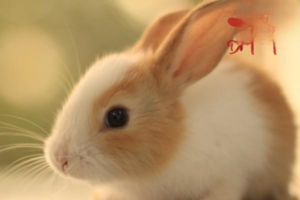
What to Do When a Rabbit Sheds Excessively
Heavy shedding has several causes. Seasonal molts (March–April, September–October) are normal — just groom daily. Diet lacking fiber or vitamins A/B causes shedding and fur-eating, fixed by balancing the feed. Fungal or parasitic infection brings dandruff and ring bald spots and needs a vet; bacterial dermatitis (Necrobacillus, Staphylococcus, Pseudomonas) needs the right antibiotic. Identify the cause before medicating.

Rabbit Growth, Development and Molting Traits
Rabbits grow fast and convert feed efficiently early in life, especially as kits. A kit is born about 50 g, doubles by one week and reaches 40% of adult weight by eight weeks, with feed conversion best (2:1) at three weeks. They molt twice by age (around 30–100 and 130–190 days) and seasonally each spring and autumn, when extra nutrition helps.
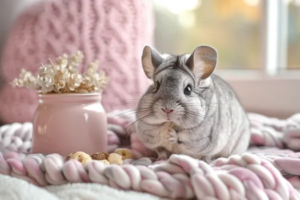
How Long Do Shih Tzu Bear Hamsters Live? How to Care for Them
The Shih Tzu bear hamster, bred from the golden (Syrian) hamster, lives about 3–4 years, with lifespan tied to care. It has long fur, a small body, black eyes, a broad face, a small appetite, and little waste, and is strongly solitary—house one per cage except when breeding. Feed a simple diet with cooled boiled water and avoid watery produce that upsets its weak gut; groom its long coat, keep the home dry to prevent skin disease, and block its clever escape routes.