Search Results
248 results for “shedding season”
Why Does a Dachshund Shed So Much?
Heavy shedding can be normal seasonal coat change twice a year; supplement nutrition and lecithin then. Abnormal shedding comes from poor diet or over-bathing, so manage food and use dog shampoo.
Why is my Bichon losing fur on its tail?
Tail hair loss may be from parasites, fungus, allergic dermatitis, folliculitis—often with red skin, itching. If no other symptoms, observe; may be seasonal shedding. If worsening (bald tail or other symptoms), see a vet.
Why is my cat losing fur? Mainly on the head and back.
There are many reasons a cat may lose fur. If it is simple shedding, it may be seasonal or due to poor nutrition. During the spring and autumn coat changes, cats shed old hair and grow new, so owners should brush frequently and supplement with lecithin, fish oil, and similar products to support coat repair. If the hair loss is patchy and accompanied by bald spots, dandruff, or scabs, it is usually caused by a skin condition.
When does a hamster molt?
Hamsters generally molt in spring and autumn; March to May and August to October are the most frequent molting periods, during which they shed old fur and grow new fur to adapt to seasonal changes. When the weather changes greatly, a hamster may also shed heavily, which is normal and usually does not cause baldness.
Why do cattle lose hair?
Common causes: poor nutrition, parasites, seasonal shedding, skin disease. Malnutrition peaks in spring/winter when green feed is scarce and they rely on corn/wheat straw and rice straw, causing thinness and sparse shedding. Parasites cause shedding—deworm the herd. Also watch for ringworm (favus) and other skin diseases.
Why doesn’t my Golden Retriever grow long hair?
Coat is genetic—some are born short-coated. Season/heat slows growth and causes shedding. Care matters (lack of brushing, wrong washing); nutrition gaps (protein, vitamins) also block growth.

Why Is Your Guinea Pig Losing Hair? Common Causes
Aside from normal seasonal molting, guinea pig hair loss is often caused by parasites (fleas, mites, lice), fungal infections like ringworm, or trauma-related bald spots. These conditions are contagious and itchy, so isolate the affected pet, disinfect its environment, and seek veterinary care.
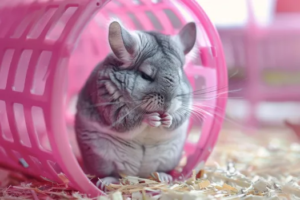
What to Do When Your Guinea Pig Is Losing Hair
Hair loss in guinea pigs can be normal seasonal shedding or a sign of a skin problem such as fleas or ringworm. Identify the cause before treating: check the skin for redness, scabs, or itchiness, isolate and treat any parasite infection, and see a vet if you cannot determine the cause.

What to Do When Your Dog’s Coat Is Dry and Dull
A dry, dull, or matted coat is often tied to diet, lack of sunlight, parasites, grooming habits, and a dirty environment. Improving it comes down to a low-salt diet with protein and vitamins, moderate sun and exercise, monthly parasite control, season-appropriate bathing, and keeping the living space clean and dry.

Colorpoint Shorthair
The Colorpoint Shorthair was developed from the Siamese, with red or cream restricted to points (face, legs, ears, tail, and genitalia). Early crosses with domestic shorthairs, refined by concentrating Siamese genes with red, produced the final Colorpoint Shorthairs. Like many CFA breeds, it is a man-made breed. In the 1940s and 50s, breeders risked deciding the beautiful Siamese should come in more than traditional seal and the most common blue point.