Search Results
94 results for “seniors”
Preventing and Managing Kidney Disease in Cats
As cats age, kidney problems such as chronic renal failure become a real risk—and once chronic, it cannot be cured. Watch daily habits closely and choose kidney-supportive nutrition or a veterinary prescription diet to extend your cat's life. This guide covers starting preventive kidney-formula food early (most effective in stages 1–2), the right diet for cats already diagnosed (low phosphorus, low protein, high energy, palatable), and the importance of regular checkups to catch trouble early.
Is a Pet Health Check-Up Really Necessary?
Like human screenings, pet check-up prices vary by region, and yes, it's an extra cost—but it's not wasted money. A check-up includes an external exam (eyes, ears, mouth), bloodwork (inflammation, infection, anemia, organ function), radiology (bones and organs), fecal testing (parasites), and urinalysis (urinary tract; in older cats it also shows kidney health). Cats and dogs have limited lifespans and often develop multiple diseases in old age, so early detection changes the outcome. Schedule a first exam at about 30 days old, yearly for seniors, and roughly every two years for healthy adults. Always use a proper veterinary clinic.
How to Choose a Litter Box
Every cat needs a litter box, and picking the right one keeps your cat using it happily. The basic choice is single-layer (best for clumping litters like clay, tofu, or paper) versus double-layer (for crystal or disintegrating wood litter with a drawer below). Covered boxes add privacy but trap moisture and bacteria, while open ones vent better. Specialty styles include toilet-style trainers, top-entry 'snail' boxes (which can trap kittens or seniors), and self-cleaning planet-shaped units great for multi-cat homes but risky if a cat enters mid-cycle. Whatever you choose, scoop daily and wash weekly — but keep a little old litter so the scent stays familiar.
What to Do When Your Cat Has a Weak Immune System
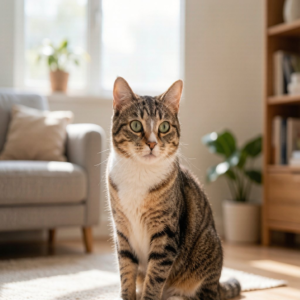
A cat with weak immunity gets sick easily, and several factors can be responsible—an unbalanced diet, an unclean living environment, genetic predisposition, advancing age, chronic stress, or lack of exercise. Because the causes vary, care should be tailored to the individual cat. In general, boosting immunity means feeding a balanced diet, encouraging moderate exercise, keeping the environment clean and sanitary, staying current on parasite control and vaccinations, and providing routine grooming. With consistent, personalized management, you can strengthen your cat's natural defenses and reduce how often it falls ill.
Signs Your Cat Is Getting Older
Cats typically live around 15 years and are considered seniors at roughly seven or eight. As they age you may notice lower energy and longer sleep, a stronger dislike of cold, and a poorer appetite. Dental problems such as loose or missing teeth make eating harder, while slower movement and delayed reactions show declining mobility. Whitening fur around the muzzle and cloudy, dull eyes are also common. Recognizing these changes early lets you adjust daily care so your cat stays comfortable and healthy through its golden years.

Feline Panleukopenia: How Fast Is It Fatal?
Panleukopenia is a deadly, highly contagious viral disease that attacks the gut and bone marrow. Unvaccinated kittens under a year often die within 2–4 days if untreated; unvaccinated adults usually within 5–7 days, some lasting around 10. Vaccinated cats rarely die. Early care lifts kitten survival above 50% and adults above 80%—and surviving one week usually means recovery. Prevention through vaccination beats treatment every time.
Why Does Your Kitten Swallow Food Without Chewing?
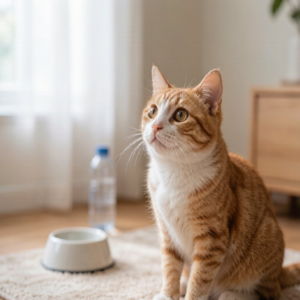
Cats barely chew—and that's normal. Their wild ancestors tore prey into chunks and swallowed fast to avoid theft, and their teeth shear rather than grind. The risks are real, though: eating too fast brings vomiting, choking, and more tartar. Teach chewing with chew treats and slow-feeder bowls, switch to dental kibble or softened food, and give a calm, separate eating spot plus regular toothbrushing to protect oral health.
Why Does Your Dog Keep Shaking Its Head? Don’t Ignore These Causes
An occasional head shake after sleep or a swim is normal, but frequent, forceful shaking with scratching, redness, odor, or discharge means trouble—usually an ear infection. Bacterial or fungal otitis, ear mites, and trapped grass seeds lead the list; allergies and, rarely, ear tumors are also possible. Learn the telltale discharges, clean gently, keep up monthly parasite prevention, and see a vet if it doesn't improve in days.
Senior Dog Vision Fading? Foods That Protect the Eyes
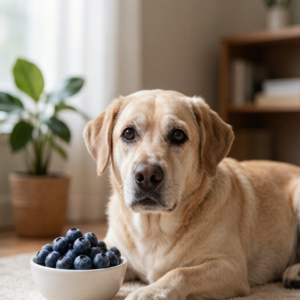
Eye disease is common in dogs—conjunctivitis, keratitis, glaucoma, cataracts—and over half of dogs past ten develop cataracts. Diet can slow that decline. Vitamin A from liver and carrot supports night vision; antioxidants like lutein, vitamins C and E, and anthocyanins guard the retina; omega-3 from fish eases dryness. Avoid overdoing vitamin A or raw food, and get seniors checked yearly.

What Is Chondroitin for Dogs, and Who Needs It?
Chondroitin, or chondroitin sulfate, is a natural compound in cartilage that feeds joint cells, locks in joint fluid, and calms inflammation. Healthy young dogs get enough from food, but seniors, large breeds, dogs with joint-prone genetics, the obese, and hard-working dogs benefit from supplements—ideally paired with glucosamine and omega-3. It supports, not replaces, veterinary care for real joint pain.