Search Results
94 results for “seniors”
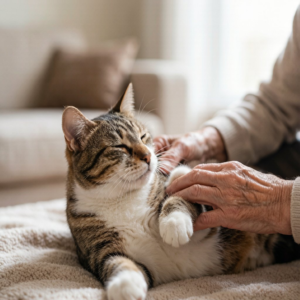
Why Are Cats Raised by Elderly Owners So Calm and Obedient?
Cats kept by elderly owners often seem gentler and more obedient than the lively pets raised by younger people, and the reason is rooted in pet behavior science. Cats love calm, predictable routines, and an older person's slow, regular daily rhythm gives them a sense of safety that lowers their guard. Seniors also provide the 'effective companionship' cats value most—short, low-intensity interactions like petting and soft talk scattered through the day—rather than infrequent marathon play sessions. On top of that, elderly owners tend to be gentle yet consistent: they neither shout nor overindulge, setting clear rules while offering unconditional acceptance. This calm, secure environment lets a cat relax and show its sweetest side.
Everyday Habits That Seriously Harm Your Dog’s Joints
Joint disease in dogs is on the rise, and beyond obesity many overlooked daily habits do real damage. Slippery floors force dogs to grip hard and risk falls; bad exercise — long runs, sharp stops, jumping from heights — wears joints down; frequent stairs overload the knees, especially in long-backed breeds like Corgis; standing on hind legs for attention strains the spine; and overfeeding accelerates cartilage loss, particularly in large breeds with hip-dysplasia risk. Cold, damp floors stiffen joints and worsen pain. Watch for early signs — stiffness after rest, reluctance to jump, hind-leg dragging, pain when touched — and support joints with glucosamine and chondroitin.
How many times a day should I feed my dog?
Under 1 month: every 2-3h; 1-2 mo: 4-5x; 3-6 mo: >=3x; 6-12 mo: 2-3x; adults: 1-2x; seniors 8+: 3 small meals.
How to Care for Your Dog in Autumn
Autumn's cool, dry, changeable weather feels great to us but asks for a few adjustments in dog care. Fatigue from summer, dropping temperatures, and dry air all affect a dog's body, coat, and digestion. A few simple habits around food, grooming, exercise, and disease prevention keep your dog comfortable through the season.
5 Common Mistakes to Avoid When Walking Your Dog
Walking is one of the simplest ways to keep a dog happy and healthy, but the wrong approach can do more harm than good. From erratic schedules to walking in extreme heat, a few common habits put unnecessary strain on your dog's body and safety. Here are five mistakes to leave behind.
What to Do With Your Dog Over Chinese New Year
When the holidays pull you home, your dog's care needs a plan. If possible, take it along by car or by train or air cargo - you will need a dog license and health certificate, and cargo is charged by weight, so call the carrier ahead. Boarding works too: a local family that loves dogs is gentler than a shop cage, or use a pet hotel with a signed agreement. Avoid boarding puppies under six months or very old dogs, whose weak immunity struggles with new environments. Above all, do not leave a dog alone too long - it may think it was abandoned and develop real emotional and physical problems.
Feeding Your Cat at Every Life Stage
A cat's diet must shift as it grows, from milk-softened kitten food through high-protein junior meals to fixed adult portions and easy senior diets. Special phases like neutering, pregnancy, and recovery have their own needs. This guide maps food, toppers, and supplements to each age so your cat gets the right nutrition.
Understanding Feline Hyperthyroidism
Hyperthyroidism is an endocrine disease from excess thyroid hormone, common in senior cats, usually from benign nodules. Signs include weight loss with ravenous appetite, restlessness, coat changes, and more; suspect it in any sick cat over ten. Treat by surgery, daily medication, or radioiodine; prevent via diet and regular checkups, especially with heart disease.
Preventing and Managing Cat Kidney Disease
Use kidney-support cat food early, most effective in the first two stages of chronic failure, to cut phosphorus, blood pressure, and digestion issues and slow decline. Affected cats need low-phosphorus, low-protein, high-energy, palatable food. Control protein by stage, catch it early, and check seniors at least yearly, twice for older cats.
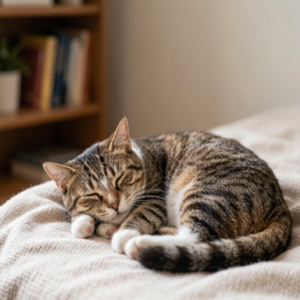
Can Cats Suffer From Insomnia?
Cats generally sleep well and rarely struggle to fall asleep, but poor sleep can occur when they are unwell, stressed, kept in a noisy environment, or fed and exercised on an irregular schedule. A healthy cat sleeps around 14 hours a day, with kittens, seniors, and sick cats sleeping even longer. Ongoing sleep loss harms a cat's mood and health, so owners should provide a quiet, comfortable resting place and avoid disturbing them. If a cat shows lasting changes in sleep or behavior, a veterinary visit helps rule out underlying illness. Protecting your cat's rest supports immunity, stable temperament, and long-term wellbeing.