Search Results
94 results for “seniors”
Common Everyday Cat Illnesses (Part 2)
Five more common cat conditions: (1) Panleukopenia (feline distemper) — a fierce, contagious viral disease hitting gut and airways; fever, bloody diarrhea, lethargy, dehydration; high death rate in under-8-week kittens, so vaccinate and rush to a vet at the first sign (lice, mites, fleas can spread it). (2) Cancer — rarer than in dogs but cats hide pain; watch for lumps, non-healing skin infections, weight loss, vomiting, odd urination. (3) Kidney disease — common in seniors; low appetite, weight drop, vomiting, lethargy; needs dialysis or transplant when severe. (4) Fractures — from falls; sudden limping or hiding. (5) Poisoning — from human food or toxic plants; repeated vomiting/diarrhea, blood in stool/urine; vets give fluids and anti-emetics. Don't rely on self-healing—use a trusted clinic.
Why a Dog’s Nose Changes Color
A healthy dog's nose is usually cool and moist, and a warm, dry nose alone doesn't prove illness—waking, hard exercise, heat/cold exposure, or old age do the same. Real fading comes from: age (pink as a pup darkens, then lightens in seniors as tyrosinase and melanin drop); illness or heat (returns after); season—'snow nose' in winter, returning with warmth; trauma (pink while healing); poor nutrition (low melanin); genetics/Dudley nose (permanent, harmless); allergy (contact dermatitis from plastics/metal—use glass/stainless); bacteria (swelling, crusts—vet); and vitiligo (immune, white patches, harmless). Protect a pink nose from sun; see a vet for bloody, foul discharge with weakness.
Preventing Autumn and Winter Dog Illnesses
Cold seasons bring risks. Keep warm—especially puppies and seniors—with a warmer bed, blanket, or heat lamp (watch electrical safety and distance); bathe at midday in sunlight, less often, warmer water. For weather-related colds (sneeze, runny nose, cough), use pet-specific cold medicine and warmth—never human drugs—and see a vet if it worsens. Keep walking for immunity; short-haired or weak dogs can wear coats and must be dried after rain. Diet may need more frequent small meals; keep probiotics ready for soft stool. Deworm year-round (fleas stay active), and expect the autumn coat shed (Sept–Oct).
Recipe: Chicken Paste for Cats
Chicken paste is one of the easiest homemade cat foods to make, and its soft texture makes it ideal for kittens, older cats, or any cat that needs extra hydration. Poach a chicken breast in water for about five minutes, then blend the meat and broth together for a minute or two until smooth. The result is a gentle, high-protein meal you can serve on its own or stir into a cat's regular food.
Health Checks Every Cat Owner Should Know
Must-do checks: a baseline exam plus a four-way infectious test (panleukopenia, herpes, calicivirus, coronavirus) for every new cat—do it early, before symptoms turn deadly. Antibody tests suit cattery-bought kittens. Pre-surgery bloodwork matters for seniors; post-illness rechecks and fecal/SAA/urine tests catch parasites, inflammation, and urinary disease. Skip unnecessary ones: toxoplasma testing is mainly for pregnant households, and X-rays are for swallowed objects or fractures.
A Science-Based Cat Care Guide by Life Stage
Care changes with age. Milk kittens (0–2 months, 100–700 g) stay with mom, start socializing at 3 weeks, and get their first vaccine. Juveniles (3 months–1.5 years, 1–5.5 kg) need socialization, vaccines, deworming, rich food, and spay/neuter. Adults (1.5–7 years) need ongoing prevention, diet control, seasonal care, and play. Seniors (~7 years) need high-nutrient digestible food, a stress-free home, and more frequent checkups. As a rule of thumb, a cat's first year equals a human's 16–18, then each year adds about four or five.
6 Signs Your Dog Isn’t Getting Enough Exercise
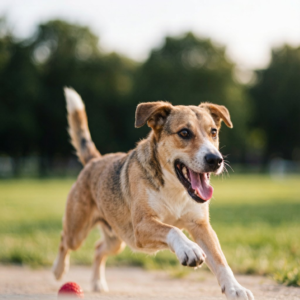
A dog's exercise need depends on breed, age, and size. Some dogs play hard outdoors daily; others only stroll the neighborhood—but every dog needs a sensible amount of activity. So how do you know yours is under-exercised? Watch for six signs: destruction (a normally calm adult wrecking the home needs an outlet, not a beating); rough play (an usually gentle dog throwing its whole weight around with others); obesity (too much food, too little movement—common in seniors, though sudden weight gain can signal illness); restlessness (pacing at night, especially in small breeds that still need 10–20 minutes of indoor play); excessive barking (pent-up energy venting as noise); and lethargy (a depressed, uninterested dog). Puppies need several 5–10 minute sessions; adults 30–60+ minutes (or under 30–60 for low-need breeds); seniors 2–3 sessions of about 30 minutes. Remember: for most dogs exercise is a walk, but don't ignore mental stimulation—especially for dogs that can't go out.
Dog Is Bloated but Not Defecating — What to Do
A dog with a swollen belly that will not pass stool is usually constipated, but the underlying reason matters: it could be simple indigestion, a bowel blocked by a swallowed object, too little exercise, or a painful condition that makes the dog hold back. Matching the cause to the fix prevents a minor issue from becoming an emergency. This guide lists the common causes and the practical steps—water, probiotics, exercise, and portion control—that get things moving again.

Is It Normal for a Rabbit Not to Poop for a Day?
Rabbits digest food quickly and usually pass droppings soon after eating, so a full day without poop can be a warning sign. It may simply mean your rabbit ate little, or it could indicate constipation from poor feeding, lack of exercise, weak digestion, hairballs, or a dirty water supply. Owners should keep food and water fresh, monitor intake, and help with fluids, probiotics, and exercise when needed. Understanding the cause is key—this article breaks down why rabbits stop pooping and how to respond.
6 Common Cat Diseases and How to Prevent Them
Cats hide pain well and can't tell you what's wrong, so owners need a basic grasp of common feline illnesses. Beyond regular checkups and vaccines, know the warning signs of the six frequent problems: urinary tract disease, respiratory infection, periodontal disease, parasites, ringworm, and ear mites. This guide summarizes each condition's symptoms and the everyday prevention that matters most—more water, less stress, dental care, deworming, and a clean, dry environment.