Search Results
94 results for “seniors”
Dog CoQ10 for Seniors and Small Breeds: A Value-Minded Guide
If your dog tires after a few steps, pants often, sleeps longer, or coughs at night, that is not laziness — it is the heart asking for help. Canine heart-disease risk climbs steeply with age (about 10% at 5–8 years, 30% at 8–10, and 45% past 13), which is why CoQ10 is a staple for senior and small-breed care. This guide explains how to judge real value instead of falling for 'cheap' placebos or overpriced imports.
Caring for Senior Cats and Dogs: A Stage-by-Stage Longevity Plan
Cats and dogs are considered senior at around age 7, when metabolism slows and organ function begins to decline. With staged, careful care, companion pets can live an average of 2–3 years longer. This guide breaks senior care into three phases—ages 7–9, 10–12, and 13 and up—covering diet adjustments, weight control, dental and joint support, stress avoidance, and a sensible checkup schedule. The goal is not expensive supplements but steady, calm, well-planned daily care.
Dry or Wet Cat Food: Which Is Better? (Most Owners Pick Wrong)
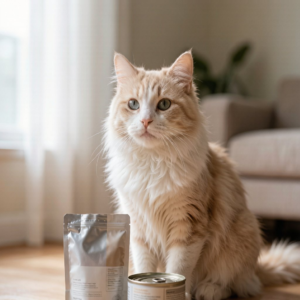
Neither dry nor wet food is absolutely better; it depends on the cat. A healthy adult can follow a "dry in the morning, wet in the evening" rule, meeting nutrition and water needs while avoiding spoilage. Special cases, senior cats with poor teeth, 2-3 month kittens, and cats with urinary disease, should lean toward wet food. The catch: long-term wet feeding needs extra dental care. Dry food is convenient, cheap, and helps scrape teeth but is only ~5% moisture and calorie-dense, raising dehydration and obesity risk. Wet food is 70-80% moisture, tastier, and nutrient-rich but costs more, spoils fast, and leaves more residue on teeth.
How to Choose a CoQ10 Supplement for Pets
CoQ10 only helps the heart if it is taken correctly and in enough amount. Pets with heart disease show lower CoQ10 levels, and veterinarians commonly add it to prescribed medication as long-term support; seniors over about 7, obese animals, and high-risk breeds (Toy Poodles, Pomeranians, Maine Coons, Ragdolls) benefit most. Because the heart is the body’s highest-energy organ, a deficient dose is essentially wasted—especially since older pets absorb less. When choosing, look for a clearly labeled, well-absorbed dosage from a yeast-derived source, combined antioxidants (fucoxanthin, olive, astaxanthin, vitamins C and E), and a pet-specific form. Avoid three traps: substituting human CoQ10 (some contain pet-toxic xylitol), using it to replace prescription drugs, and inconsistent use.
CoQ10 for Pets: Why Adequate, Well-Absorbed Dosage Matters
Many owners dismiss pet CoQ10 as a gimmick, and with reason: an under-regulated market let weak products ship before they were ready, so finding a real, safe, high-potency supplement was hard. The science is sound, though. CoQ10 lives in the mitochondria, drives cellular energy, and neutralizes free radicals that damage the heart. Pets over about 5–7 years, obese animals, high-risk breeds, and those already diagnosed lose CoQ10 reserves fast, and diet alone barely replaces it—hence panting after a short walk, night coughs, or low energy. The key is adequate, well-absorbed dosage; micro-dosing is only comfort. This article explains who needs CoQ10, what “real” formulation looks like (transparent content, third-party testing, yeast-derived sourcing, combined heart–lung nutrients), and safe daily use.
Choosing a CoQ10 Supplement for Your Pet’s Heart
Pets past about seven years old decline fast, and heart disease is among the highest-risk threats: mitral valve disease and dilated cardiomyopathy in dogs, hypertrophic cardiomyopathy in cats. Early signs—night coughing, panting, purple tongue, exercise intolerance—often mean Stage B2 or C, so the B1–B2 window is the time to act. Alongside prescribed medication, many veterinarians suggest a pet CoQ10 supplement for energy and antioxidant protection. But with crowded shelves, how do you choose? This guide explains what a quality formula should deliver: transparent, well-absorbed dosage; a heart–lung–vessel support blend (rhodiola, krill, astaxanthin, taurine, vitamins, grape powder, folate); palatability and safety for long-term use; and which pets benefit most.
Early Signs of Heatstroke in Dogs—and How to Prevent It
Dog heatstroke progresses through early warning signs, moderate fever, and severe shock, and the early stage is the easiest to miss—and the easiest to treat. Watch for constant open-mouth breathing with the tongue out and rapid shallow breaths, lethargy and slow responses, seeking shade and refusing to walk, thick stringy drool with a dry hot nose, and reddened, warm paw pads. Move the dog to a cool, airy spot and offer water in small amounts at the first sign; untreated, it can become critical within minutes. This article also covers which dogs are most at risk and practical prevention, from walking at dawn or dusk to never leaving a dog in a parked car.
How to Stop Your Cat from Peeing on the Bed
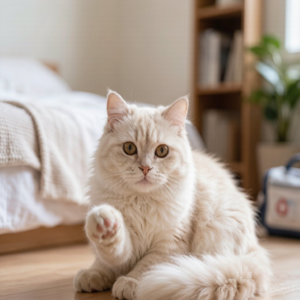
Finding a yellow wet spot on the bed is every cat owner's nightmare. Before anything else, rule out disease: feline lower urinary tract disease (FLUTD) makes urination painful, so cats link the box with discomfort and seek softer spots like the bed. If peeing comes with straining, blood, or constant licking, see a vet. Non-medical causes are a disliked litter box (bad location, poor hygiene, wrong litter, too few boxes in multi-cat homes) and stress or anxiety. Fixes: upgrade the box, scoop twice daily, follow the n+1 rule, ease anxiety with play and pheromone spray, and remove the urine scent with an enzymatic cleaner plus detergent. Most cats return to normal in 2-3 weeks.
Can a Cat’s Personality Change?
A cat's personality can shift under certain conditions, influenced by negative experiences, health, age, and genetics. For example, a once sunny cat may become timid or depressed after abuse or the loss of a companion. To keep a cat's character stable and healthy, provide a steady environment, proper socialization, and plenty of affection.
What to Do When Your Dog’s Joint Is Swollen
A swollen joint in a dog can come from an injury, arthritis, or calcium deficiency, and the right response depends on the cause. Gently pressing the swollen area tells you whether it is painful; pain or refusal to be touched points to a joint problem. Injuries usually settle in a few days with topical treatment, while arthritis needs a veterinarian's diagnosis and long-term care with anti-inflammatory pain relief, weight control, and adjusted exercise. Severe arthritis may require surgery. Keeping the diet balanced helps prevent calcium-related swelling.