Search Results
168 results for “scent training”

What to Do When Your Dog Swallows Kibble Without Chewing
Bolting kibble isn't a lack of ability—dogs often gulp to save time, but it risks choking and poor digestion. Fix it with wetter or softer food, set meal times, a slow-feeder bowl, chew toys, scent games, and a calm-eating training routine with rewards.
How do you train a Samoyed to use the toilet?
Start toilet training early using a designated dog toilet, watch for sniffing and circling after meals, and reward success with treats. Scent cues and positive reinforcement build the habit.
How to Comfort a Cat After It Gets Scared
Move a scared cat to a quiet, enclosed space (a bedroom or carrier) with its familiar blanket and toys, close doors and curtains, and use a pheromone spray. After it settles, crouch about a meter away, offer a finger for it to sniff, then pet the forehead or chin. Keep the home calm for 24 hours. Watch for signs of true stress — not eating, vomiting, or straining to urinate — and see a vet if they appear.
How do I train a dog that pees and poops everywhere?
To stop a dog from soiling randomly, clean and disinfect accidents, then set up a scented, quiet toilet area with the dog's own urine or feces. Reward successful use and repeat until the habit sticks.

What to Do When a Dog Is Timid and Afraid of People
A fearful dog may be born sensitive, under-socialized, or traumatized. Build a safe retreat at home, socialize gradually from a distance with treats, and avoid rewarding the fear by over-comforting. For abused dogs, give extra patience and trust; if training stalls, call a professional trainer.

Common Bad Habits in Cats and How to Fix Them
Common cat bad habits include biting, picky eating, and disturbing the owner's sleep. Many of these habits form because of the owner's own behavior — playing with hands or giving snacks without limit. Learning the right way to raise a cat is the best way to prevent them.

Why Won’t Your Cat Let You Touch Its Paws? (And How to Trim Nails)
A cat's paws are vital tools for hunting, defense, climbing, and sensing, and the hunting instinct remains even in pets, so a paw grab can feel like a threat. Paws also carry five times the nerve endings of a human fingertip and hold scent glands in the pads used to mark territory, making them extra sensitive. If a usually tolerant cat suddenly refuses paw contact, suspect pain from interdigital dermatitis, a paw injury, or arthritis, and watch for limping, obsessive licking, red swollen pads, or stiff wrists. A gradual, reward-based training plan helps most cats accept handling, but always stop if the cat shows stress.
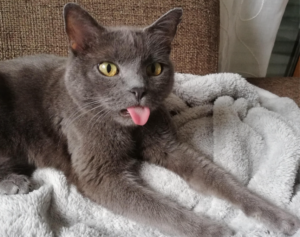
How to Stop Your Cat from Peeing on the Bed
Finding a yellow wet spot on the bed is every cat owner's nightmare. Before anything else, rule out disease: feline lower urinary tract disease (FLUTD) makes urination painful, so cats link the box with discomfort and seek softer spots like the bed. If peeing comes with straining, blood, or constant licking, see a vet. Non-medical causes are a disliked litter box (bad location, poor hygiene, wrong litter, too few boxes in multi-cat homes) and stress or anxiety. Fixes: upgrade the box, scoop twice daily, follow the n+1 rule, ease anxiety with play and pheromone spray, and remove the urine scent with an enzymatic cleaner plus detergent. Most cats return to normal in 2-3 weeks.

How to Show Your Dog You Love It (in a Language It Understands)
Dogs may not speak, but their emotional world is rich. Brain-imaging work at Emory University shows a dog's brain reacts to its owner's voice and scent in areas similar to where humans process emotion, so your affection is a real signal your dog can feel. You can speak its language through soft eye contact (which raises oxytocin in both of you), calm pressure-petting, high-engagement play, frequent praise, leaving a scented item in its bed, and keeping a predictable routine. These small daily acts lower stress and deepen the bond far more than words alone.
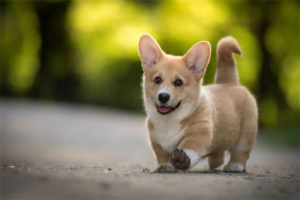
Why Do Dogs Love Riding in the Car?
Many dogs get wildly excited the moment they hear the jingle of car keys, but the reason goes deeper than simple habit. Riding in the car satisfies a dog's natural curiosity by flooding them with new sights, sounds, and smells through the window. It is also quality bonding time, letting them sit close to their favorite person and share an adventure together. For indoor dogs especially, a car ride is a rare chance to get out, explore, and take in fresh scents. Some dogs even treat the ride as a status symbol, proudly watching the world go by from their special seat. Still, car travel has risks. Owners should secure their dog with a proper safety harness or car seat, keep the cabin ventilated, and help nervous dogs adjust gradually through short, positive training trips.