Search Results
168 results for “scent training”

How Long Can a Cat with Dementia Live?
Feline dementia (Cognitive Dysfunction Syndrome) does not kill directly, but its complications shorten life. Mild cases (occasional confusion, sleep disruption) often live 3–5 more years with good care; moderate-to-severe cases (loss of self-care, refusal to eat, disorientation) may survive only 2–3 years; if chronic kidney or heart disease is also present, just 1–2 years. Japanese clinical data show cognitive training and a stable environment can extend life by 47%. Watch for the DISH signs—Disorientation, Interactions lost, Sleep flips, House-soiling—and support the cat with a low-stimulus home, short brain games, and targeted nutrition.
How to Raise a Social, Confident Kitten
A confidently social cat is not born that way—it is shaped during the socialization window of 2–7 weeks after birth, when a kitten's brain is most open to new people and experiences. During this period, gradually acclimate the kitten to its home, then to the outside world and strangers; get it used to being touched on paws, mouth, and ears so future grooming is easy; and invite gentle friends to interact on the cat's terms. If you missed the window, an adult cat can still learn with extra patience, treat-based trust, calming tools, and perhaps a calm 'social mentor' companion. Always respect the cat's individual personality.

What Happens When You Give Your Dog Away Midway Through Its Life?
Rehoming a dog partway through its life is more common than people admit, yet few realize how deep the psychological wound can be. Most dogs show stress responses such as refusing food, over-grooming, or night barking, and loyal breeds may stop eating even during short boarding. Over time, the trauma can make a dog timid, reluctant to bond with the new owner, or even aggressive and resource-guarding. Some try to escape and find their original home, ending up stray. If rehoming is truly unavoidable, do it early, ease the transition with scent and gradual introductions, and remember that many situations—pregnancy, a busy schedule, a move—have kinder alternatives than giving the dog away.

Bichon Frise: Pros and Cons to Consider Before Adopting
The Bichon Frise is a small, fluffy, friendly companion that rarely sheds and suits apartments and families. But it is not the easiest breed to live with: tear stains are almost inevitable, its curly coat needs constant grooming, it is prone to separation anxiety, and its delicate constitution means sensitive digestion and frequent dental issues. Weigh these pros and cons before bringing one home.

How to Train a Puppy to Fetch
Teaching a dog to fetch is a great way to build a bond and burn off energy, and it works best with the right setup. Start during the growth phase (around 4–6 months) or a dog's energetic years (3–7). Pick a ball of the right size and bounce—tennis or ping-pong balls work well—and build interest by letting the dog sniff it, or by rubbing the ball with a favorite food scent if it shows no interest. Throw it a short distance, give the 'fetch' cue, and reward the return with praise, petting, or a treat so the dog learns the behavior pays off. If the dog won't pick up or won't bring it back, demonstrate yourself, use a treat to trade for the ball, and stay patient. Keep sessions to 15–20 minutes.

Why Does Your Dog Bite Your Pant Legs? (And What It Means)
When a dog grabs and tugs at your pant leg, it is rarely out of spite. Most often the dog is trying to get your attention, invite you to play, or signal a need such as an empty food bowl. The swaying fabric can also trigger an inherited prey drive, since a moving pant leg looks like something to chase. In some cases—especially when you pick up keys or put on shoes—it signals separation anxiety: studies show a large share of dogs chew scent-bearing items to soothe themselves when they sense you are leaving. The fix is consistency: ignore the behavior, reward calm following, offer chew toys, and meet the dog's exercise needs. Understanding the motive behind the bite is the first step to changing it, and learning your dog's other body-language cues helps you bond.
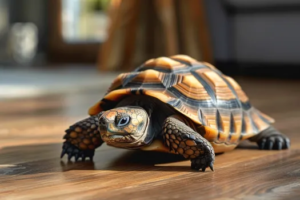
Are Red-Eared Sliders Smarter Than Pond Turtles?
The red-eared slider is widely regarded as the smartest turtle species and is brighter than the pond turtle. With regular feeding at set times and plenty of interaction, a slider quickly learns its owner's voice and scent, recognizes them, and dares to approach, showing real attachment. Compared with pond turtles, sliders have faster reactions, stronger learning, and better memory, and they can form conditioning more quickly. Feeding by hand from a young age is the fastest way to build that bond.

What to Do If Your Turtle Eats Only Meat and Rejects Pellets
A turtle that refuses pellets for meat usually has a taste preference or a digestion issue, but long-term meat eating risks gut inflammation, pickiness, malnutrition, and fatty liver. First check that the pellets are fresh and clean, or try a different brand, shape, or flavor—always soak pellets in water so the turtle can swallow. You can also change the routine: more swimming time and sunlight boost appetite. The firm fix is 'starvation training'—offer only pellets, no meat, until hunger wins. If nothing works, or you're unsure the turtle needs food, consult a veterinarian for a tailored plan.

How to Stop Your Dog From Peeing Everywhere
A dog treats the whole world as its toilet, but at home that is unacceptable - and scolding alone never works because the dog simply does not know. Inappropriate urination has many roots: territory marking (common in adult males), no house-training, revenge moved to the sofa after being yelled at, unclear home boundaries, attention-seeking, fear from abuse, post-neuter incontinence, or illness. The fix is patient positive training: indoor spot training, outdoor training, and never hitting the dog. Holding urine over eight hours harms the kidneys, so leash up and clean up on walks.

How to Train a Cat to Sleep in Its Own Bed
To stop a cat sleeping on your bed, give it a comfortable cat bed placed in a quiet, hidden spot, not a busy hallway. During training, keep your bedroom door closed to block access. To make the bed appealing, put the cat's favorite toys and familiar-scented items inside, or use treats to guide it there. Start young if possible, and be consistent: when the cat jumps on the bed, say no and return it to its bed. Once it adapts, clean and disinfect the bed regularly, since a cat's keen nose will reject it if it smells wrong or breeds bacteria.