Search Results
168 results for “scent training”
Why Dogs Resist the Crate and How to Help
Dogs resist the crate for a few reasons: it feels strange and limits freedom, it is uncomfortable, or the dog wants something like play. To reduce resistance, use a properly sized, cozy crate that lets the dog turn around, build security with familiar scents, and limit crate time so the dog does not become frustrated. Crates are useful when you are out, but otherwise let the dog roam freely.

What to Do When a Dog Barks in Its Crate
A dog that barks nonstop in its crate may be unsettled, uncomfortable, or asking for something, such as play, a walk, or release. Judge the cause by the situation. If you are crate-training and the dog is not yet used to it, do not open the door while it is worked up; wait until it calms down. During training, use treats to lure it in, and place favorite toys and an item with your scent inside to build comfort. Also use a crate large enough to turn around and keep it cozy.

How Long Until a Dog Recognizes Its Owner
As a dog develops, its brain matures and its view of the world grows. By about six months it settles on who its owner is, so build the bond through training before then, the earlier and longer the better. Four steps help: a name, close interaction, fixed routines, and a designated toilet spot.

Why Cats Pee on the Bed and How to Stop It
Bed-peeing falls into three types: normal inappropriate elimination, stress peeing (literally scared into it), and urine marking (spraying). You can tell them apart by the stain—round with digging for normal, a few drops with no digging for stress, and a vertical streak with raised hips for marking. Clean with enzymes to remove the scent pheromone that invites re-marking, spray deterrent, then fix the root cause: litter training, reducing fear through socialization, and easing the anxious, rejected cat.
Stopping Your Cat from Scratching Furniture
A new cat owner's nightmare is shredded sofa, but scratching is instinct you can't stop—only redirect. Cats scratch to sharpen claws (shedding old keratin) and to leave scent from paw glands for security, and sometimes to demand attention. Correct by teaching 'don't' with instant, firm interruption, supplying scratching posts near the furniture, and protecting pieces with anti-scratch film or deterrent spray. Education comes first; barriers are backup.

How to Prevent Tape-Sticking Stress in Cats
If a cat steps on tape or gets sticky paper on a front paw, it shakes the limb frantically, panics, and bolts—because the paw pads are vital for shock absorption, sweat-cooling, scent marking, and balance. Losing that sense is disorienting, even nauseating. You can desensitize the cat with gradual training: while petting to keep it calm, wrap tape on the paws, then soothe until it stops shaking, repeating until it calmly removes the tape with its mouth. Household 'sticky traps' then cause far less chaos—and less furniture damage.

Top 5 Dog Breeds That Love to Bark—and What to Do
Some dogs are born loud. The Chihuahua, Beagle, Corgi, Pomeranian, and Yorkie top the list of natural talkers, driven by insecurity, hunting instinct, territoriality, or separation anxiety. None of this is hopeless—steady training, enough exercise, independence building, and careful desensitization to triggers can quiet even a chronic barker. Know the breed's voice before you bring one home.
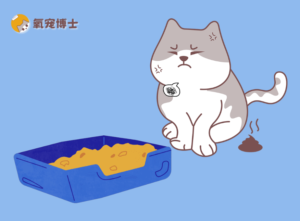
Why Won’t My Cat Use the Litter Box?
A cat that suddenly stops using the litter box is sending a signal, not being spiteful. The cause is usually the box itself—dirty, cramped, noisy, the wrong litter, or too few boxes in a multi-cat home—or a health issue like constipation, diarrhea, or joint pain. Stress from changes at home is the third big driver. Fix the box and environment first; see a vet if pain or abnormal stool is involved.

Auriga Butterflyfish
The auriga butterflyfish is a very popular butterflyfish, fairly easy to keep and gentle enough to mix with other ornamental fish. It is omnivorous, taking prepared foods and live foods alike.

Anglo Mink
The Anglo Mink is the domesticated pet ferret (Anglo / Marshall lines) kept as a companion animal. Intelligent, gentle, and easy to litter-train, it is heat-sensitive and mischievous when unwatched, needs a large wire-free cage and 4+ hours out daily, and eats a meat-based diet (30–35% protein, 15–20% fat). Lifespan 8–12 years.