Search Results
95 results for “return to cage”

Is It Necessary to Bathe a Hamster
Normally you don't need to bathe a hamster — they self-clean with dust bath sand and can die from water baths. Bathe only when fur is contaminated with toxins or sticky matter. The step-by-step method uses near-room-temperature water, unscented pet shampoo, gentle wiping away from the face, and a warm, dry recovery.

How to Bathe a Hamster
Normal hamsters don't need baths — water strips their natural oils and risks their health. Odor usually means a dirty cage (clean it weekly) or, occasionally, a female in heat. Use dust bath sand for routine cleaning; only use water for dangerous contaminants like toxins or sticky substances, following a careful step-by-step method.

Common Causes of Hair Loss in Hamsters
Hamster hair loss has many causes beyond normal shedding: old age, low dietary protein, skin friction in the cage, seasonal molting, over-grooming, pregnancy, and hormonal imbalance (including male-pattern baldness from excess testosterone). Identifying the cause lets owners apply the right fix.

What Is Chinchilla Free-Roam Time, and What to Watch For
Free-roam time lets a chinchilla exercise outside the cage; do it 3-4 times a week for 20-30 minutes, below 25 C, in a sealed area over 1 m high with no wires or chewables, and supervised. Train it to return for treats; skip it for new, late-pregnant, aggressive, or sick chinchillas.

Why a Doe Eats Her Kits and How to Prevent It
A doe may eat her kits from thirst after birth, low milk, poor prenatal nutrition, fright, a cannibalistic habit, strange smells, or illness. Prevent it with strong prenatal feeding and warm salted water after kindling, a quiet space, no scent changes or bare-hand handling, and fostering only after masking the kits with the foster doe's milk and urine.

Signs and Cycle of a Female Rabbit in Heat
A female rabbit comes into heat at 3.5–4 months, showing restlessness, mounting and a vulva that changes from pale to bright red at peak fertility. She ovulates only after mating, and the best time to breed is mid-estrus when the vulva is deep red.

Why Is Your Chinchilla Having Diarrhea, and What to Do?
Normal chinchilla droppings are elliptical, slightly moist, firm, and smooth with tiny pores. Unformed or semi-solid stool means diarrhea - from poor digestion, spoiled food, chills, stress, or a dirty cage. Stop treats, feed hay, and see a vet if it persists.
How Long Should a Chinchilla Be Let Out to Play Each Day?
Keep each play session under one hour, about 3-4 times a week. Always supervise to prevent accidents like heatstroke, falls or drowning.

How to Care for a Pregnant Hamster
Once a female hamster is pregnant, separate her from the male at once — cohabiting risks fights, the male eating the pups, and a quick re-pregnancy while she nurses. Keep her in a warm (25–29°C), quiet, dry, ventilated, clean cage, feed a bit more with constant fresh water, and avoid obesity that can cause dystocia.
How to Treat Pneumonia in Hamsters?
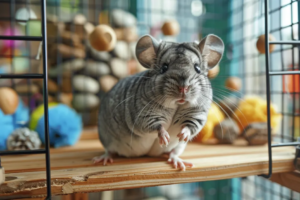
Treating pneumonia in hamsters depends on catching it early and acting fast: confirm the cause with a vet, then use antibiotics or antifungals as prescribed, and support recovery with nebulization, a clean warm environment, and good nutrition. Because poor housing, dusty bedding, and stress are common triggers, prevention focuses on stable, clean, well-ventilated living conditions.