Search Results
95 results for “return to cage”

What to Do When Your Chinchilla Has Gas and Bloating
Chinchilla bloating usually comes from eating too much or too fast, poor nutrition, or digestive disease. When it happens, stop feeding briefly to ease the gut, and avoid large single meals going forward. Raise the hay ratio in the diet to add fiber and support gut movement, and gently massage the abdomen from left to right and top to bottom to help expel gas. If bloating is severe or recurring, add a pet probiotic to balance the gut flora and aid digestion. Keep the cage clean, control portions, and provide space to exercise so gas problems are less likely to return.
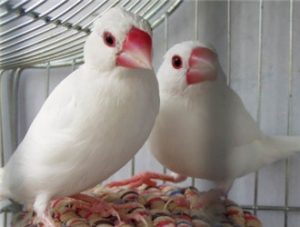
White Java Sparrow
The white Java sparrow is a captive white color form of the Java sparrow (Padda oryzivora), developed in Japan. The chick is grey-backed and turns snow-white as an adult, with red bill and feet. Gentle and people-friendly, it is a popular beginner hand-tame bird, though temperamental toward other birds.
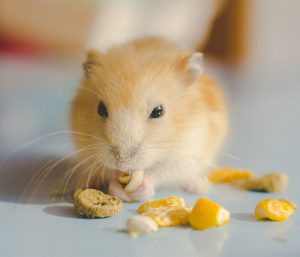
Winter White Dwarf Hamster (Milky Tea morph)
The 'milky tea' hamster is a coat-color morph of the Winter White dwarf hamster (Phodopus sungorus), named for its even, milk-tea-colored back. Some show the 'winter white' effect, turning silvery white in cold weather and reverting when warm. It is one of the prettiest of the dwarf hamsters and good for beginners.
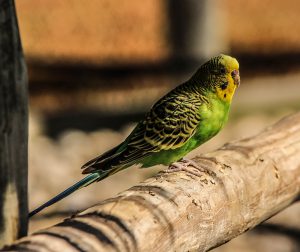
Budgerigar
The budgerigar (Melopsittacus undulatus) is one of the most common parrots worldwide and a favorite first bird for many homes. Though its call is unremarkable, its beautiful, varied plumage and easy care make it beloved; with good keeping it can live 10 to 20 years.
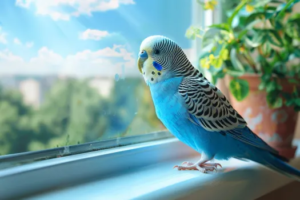
What to Do When Your Budgerigar Has an External Injury
Budgerigars commonly suffer minor scrapes, broken toes, or beak injuries in the cage. While small wounds often heal on their own, you should always disinfect the area to prevent infection; serious trauma such as a broken beak or leg can permanently affect the bird's ability to eat and move.
- « Previous
- 1
- …
- 8
- 9
- 10