Search Results
95 results for “return to cage”
When should a myna be trained to fly free?
Train free flight at about 2-3 months. After training it follows commands and gestures. Use food rewards to motivate, then practice short flights and returning to the cage.
How to call a flown-away parrot back?
A parrot that has flown away will not return on its own, but you can train recall. In semi-hunger, hold food, open the cage, and from half a meter give the command; reward return with food in the cage, increasing distance over time.
How to teach a myna to free-fly?
First do hand-training with a treat reward on command; after 2 to 3 weeks it complies. Then train out-of-cage and return with mealworms and gestures, repeating while keeping windows closed.
How to induce estrus in a rabbit?
If a doe will not estrus, add pine needle powder to feed to boost the buck's mating ability and her own cycling. For refusal to mate, put her in the buck's cage for 1-2 hours of chase, 3-4 times. Lactation suppresses estrus, so wean early and foster the kits.

Do Guinea Pigs Need to Sleep?
Guinea pigs sleep about 7–9 hours a day, resting in the daytime and active at night as crepuscular animals. They startle easily, so give them a quiet, dim, secure space; if frightened they may freeze, tremble, or lose appetite, and need calm reassurance and a vet if it persists.
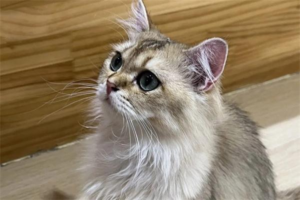
What Experiences Can Leave a Cat With Psychological Trauma?
Cats are sensitive and easily stressed; trauma can come from abandonment, seeing a companion harmed, a traffic accident, long confinement, harsh treatment, or an owner's death. Avoid these triggers and handle misbehavior with rewards and calm correction, never violence.
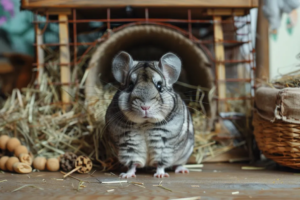
Why Is My Chinchilla Peeing Outside the Litter Box?
Chinchillas may urinate in the wrong places for several reasons—bad habits, low mood, estrus, territorial marking, or an underlying urinary infection. Each cause needs a different response. The key first step is to clean any accident thoroughly so the scent doesn't train your pet to reuse the spot. Feeding on a fixed schedule keeps a hungry or unhappy chinchilla calm, while separating cages and considering neutering curbs marking during heat. If urination becomes frequent or the urine looks dark, a vet check rules out infection.

What to Do When Your Guinea Pig Has Diarrhea
Diarrhea in guinea pigs is common but can turn dangerous fast, leading to dehydration and even death if ignored. Causes range from too much watery produce, spoiled food, gut parasites such as coccidia, to stress. For mild cases, rehydrate with oral electrolyte solution and review the diet; for severe or ongoing diarrhea, a veterinarian should guide antibiotics and binders such as smectite or kaolin, with B vitamins and yeast to support the gut lining. Watch for three to five days, and if it persists, see a vet.

What Happens When a Budgie Is Overweight?
An overweight budgerigar suffers in health, mobility, and quality of life, and its social behavior and breeding ability can suffer too. Extra weight weakens flight, strains the joints (raising arthritis risk), and invites high blood pressure, heart disease, and fatty liver or diabetes from a high-calorie diet. Obese birds may also be bullied by flock mates and struggle to breed. Owners should manage weight with a balanced diet, fewer high-fat foods, more fiber, and ample exercise space with perches and toys. Only a healthy budgie shows its best colors and enjoys a full, happy life.

What to Do When a Dog Barks in Its Crate
A dog that barks nonstop in its crate may be unsettled, uncomfortable, or asking for something, such as play, a walk, or release. Judge the cause by the situation. If you are crate-training and the dog is not yet used to it, do not open the door while it is worked up; wait until it calms down. During training, use treats to lure it in, and place favorite toys and an item with your scent inside to build comfort. Also use a crate large enough to turn around and keep it cozy.