Search Results
391 results for “reduce cat stress”
Hairballs: What Every Cat Owner Should Know
Cats groom constantly, and their barbed tongues pull loose fur into the stomach—making hairballs unavoidable. Normally the fur passes in stool or comes up as a vomit with a wet clump; trouble starts when it builds up. The best defenses are frequent brushing to cut intake, cat grass (wheat, barley, oat seedlings) whose fiber helps move fur through the gut, and hairball paste that lubricates with glycerin so the cat passes it. This guide explains why hairballs form and how to prevent them.
Why Your Cat Stopped Using the Litter Box
When a cat that was neatly using a litter box suddenly starts peeing on the bed or sofa, something is wrong — cats want a clean bathroom as much as we do. The usual causes are a dirty or too-small box, a hooded box they haven't adjusted to, too little litter, poor placement, strong smells from perfume or cleaners, stress, or a medical issue they can't control. Fix it by ruling out each cause, cleaning accidents thoroughly (cats smell far better than we do), staying calm instead of scolding, and gently guiding a newcomer to the box.
Why Does My Cat Keep Passing Gas (and What to Do)?
Frequent farting in cats is usually about digestion, but other overlooked factors matter too. Eating too fast or too much swallows air that comes out smelly; high-fiber, dairy, or very high-protein foods increase gas (excess protein also strains the pancreas); and past gut disease or unbalanced gut flora can make gas and stool smell worse. Occasional gas is normal, but constant gas affects health. Improve it by reviewing the diet, encouraging water (well-hydrated cats have less smelly waste), and trying a pet probiotic to balance gut flora and aid digestion.
Kidney Disease: The Silent Threat to Cats and Dogs
Kidney disease is a silent killer of pets—early signs are subtle, and by the time you notice lethargy, weight loss, excessive thirst, frequent urination, reduced appetite, vomiting, or bad breath, treatment may be overdue. Studies suggest 1 in 3 cats and 1 in 10 dogs has kidney disease. Newer testing (SDMA) can flag problems when only 25% of function is lost, far earlier than traditional tests (75%). Management means vet-guided diet and medication, no table scraps or treats, encouraging water, and regular monitoring.

Should You Spay or Neuter Your Cat?
Deciding whether to spay or neuter your cat is a personal choice with real trade-offs. Benefits include fewer diseases—neutering males lowers urinary and prostate problems and stops territorial spraying and aggression, while spaying females prevents ovarian cysts, pyometra, and mammary or ovarian tumors—plus a longer average lifespan and calmer behavior. The main drawback is a higher obesity risk because hormones shift and activity drops, which raises the chances of diabetes, joint, heart, and urinary-stone problems, especially in males. The right call depends on your cat; if you proceed, always use a licensed veterinary clinic.

How to Boost Your Cat’s Immune System
Keeping your cat's immunity strong is essential for a healthy, happy life, letting it better resist disease. Boosting immunity takes a combined approach: feed a scientifically balanced diet, encourage moderate exercise, keep the living environment clean, stay up to date on checkups and vaccinations, maintain daily grooming, and reduce stress by providing a stable, secure home. Together these measures build a robust immune system so your cat stays healthier and enjoys life by your side.

What to Do When Your Cat Has a Weak Immune System
A cat with weak immunity gets sick easily, and several factors can be responsible—an unbalanced diet, an unclean living environment, genetic predisposition, advancing age, chronic stress, or lack of exercise. Because the causes vary, care should be tailored to the individual cat. In general, boosting immunity means feeding a balanced diet, encouraging moderate exercise, keeping the environment clean and sanitary, staying current on parasite control and vaccinations, and providing routine grooming. With consistent, personalized management, you can strengthen your cat's natural defenses and reduce how often it falls ill.
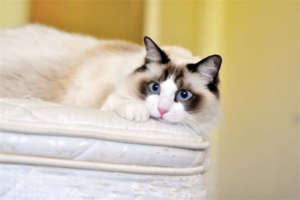
How to Reduce Heavy Shedding in a Ragdoll Cat
A Ragdoll's heavy shedding can stem from seasonal change, poor diet, weak care, stress or an underlying health issue. Brush regularly to stop mats, bathe on a sensible schedule with a gentle cat shampoo, and avoid salty or greasy food while adding omega-3 and vitamins for skin and coat. Keep the home calm and quiet, and if shedding stays severe, have a vet rule out skin disease, allergies, parasites or hormonal problems before treating.
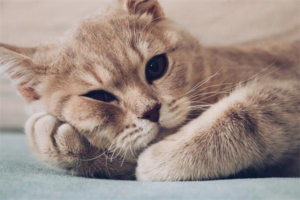
What to Do When Your Cat’s Voice Is Hoarse
A hoarse cat can result from infection, a cold, laryngitis, or strained vocal cords. Watch for fever, cough, sneezing, or runny nose; if present, a vet-formulated cold and anti-inflammatory remedy may help, and severe cases need a clinic. With no other signs, give plenty of water and soft food to ease throat irritation, keep the cat undisturbed to rest, and away from smoke, chemical odors, and dust that aggravate the throat. Most cases are temporary and improve with rest and humidity.

CoQ10 for Senior Dogs and Cats: Spotting the Signs and Picking a Reliable Supplement
As pets age, their liver makes less CoQ10, and the heart—which has the highest energy demand in the body—feels it first. CoQ10 helps power heart-muscle cells and limit oxidative stress, so a shortfall can show up as tiredness, coughing, or faster breathing. Knowing the warning signs and what a well-built formula contains helps you choose a supplement that actually supports your senior dog or cat.