Search Results
391 results for “reduce cat stress”

The Secret Story Your Cat’s Urine Tells
A litter box is a daily health report if you know how to read it. Volume, color, and smell reveal early warnings of kidney disease, diabetes, infections, or bleeding. Tracking frequency, amount, color, and odor helps catch problems before they grow, and gives your vet useful data when something looks wrong.

Why Does Your Cat Have Heavy Tear Stains?
Those dark streaks under a cat's eyes are more than cosmetic; they signal an underlying issue. Tear staining can come from structural problems like ingrown lashes and blocked ducts, from infections and parasites such as eye disease, ear mites, or eye worms, or simply from a salty diet. Understanding the cause is the first step to clearing the stains and keeping your cat comfortable.

Cat Upper Respiratory Infection: Symptoms and Treatment
A cat upper respiratory infection is inflammation of the mucous membranes of the upper airways. Affected cats typically cough, sneeze, and have a runny nose, sometimes with yellow nasal discharge, and a sudden drop in temperature, poor nutrition, or stress can trigger an outbreak. The usual culprits are viruses such as herpesvirus and calicivirus, bacteria such as Chlamydia, and fungi such as Cryptococcus. This article covers the common pathogens, how viral, bacterial, and fungal infections differ in their signs, what else can mimic these symptoms, and the supportive care and medications veterinarians rely on to treat them, from keeping the eyes and nose clear to antiviral, antibiotic, and antifungal therapy.

Can Cats Suffer From Insomnia?
Cats generally sleep well and rarely struggle to fall asleep, but poor sleep can occur when they are unwell, stressed, kept in a noisy environment, or fed and exercised on an irregular schedule. A healthy cat sleeps around 14 hours a day, with kittens, seniors, and sick cats sleeping even longer. Ongoing sleep loss harms a cat's mood and health, so owners should provide a quiet, comfortable resting place and avoid disturbing them. If a cat shows lasting changes in sleep or behavior, a veterinary visit helps rule out underlying illness. Protecting your cat's rest supports immunity, stable temperament, and long-term wellbeing.

Can Cats Catch Colds?
With big temperature swings, many owners notice their cat sneezing or with a runny nose and assume it has a cold. But a few sneezes alone are not a cold; cats may sneeze at a strong smell or a bit of dust, which is normal and occasional. If sneezing, runny nose, and watery eyes persist, it may be an upper respiratory or viral infection, and a bad cough can mean lung infection. Keep your cat warm and see a vet if you cannot manage it at home.

Cat Health Checkup Guide (Part 1)
For most cat owners, regular checkups are essential yet confusing: how do you get a cat to the clinic, and which tests actually matter? This first part covers preparation before the visit and the exams most relevant to each life stage and breed, helping you make sense of a stressful process.

What to Know Before Cat Spay/Neuter Surgery
Neutering cuts disease risk (tumors, ovarian cysts), stops heat stress and roaming, and curbs spraying. In China, do it after sexual maturity—about 6 months and 6 lb. Before surgery: a full pre-anesthetic exam (health, anesthesia allergy) at a reputable clinic; complete vaccines so antibodies protect the healing wound; fast 8 hours and withhold water 4 hours (aspiration causes fatal pneumonia); pack a sturdy large cat carrier, pee pads, eye lube, and an E-collar. Females take ~40 min, males ~10–20; go home after recovery. After: keep clean, feed soft nutritious food, control portions (weight gain is common), and E-collar 7–10 days. Cost is usually under 1,000 yuan—watch for overcharging.

Why Isn’t My Ragdoll Cat Gaining Weight?
Ragdoll cats that eat plenty but never seem to gain weight worry many owners, yet the cause is not always disease. Genetics, low activity, or an unbalanced diet may simply mean your cat burns or absorbs fewer calories than expected. Parasites are another common culprit that blocks nutrient absorption. If diet and exercise adjustments bring no improvement, a veterinary check-up can rule out hyperthyroidism, digestive disorders, or liver problems. This article explains the likely causes and the practical steps you can take at home to help your Ragdoll reach a healthy weight.
Why Cats Hide and How to Curb It
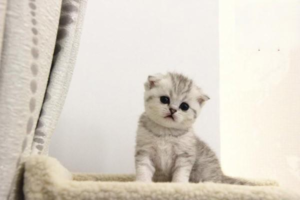
Cats are masters of hide-and-seek, and hiding is often normal—driven by fear, illness, hunting play, or the simple need for quiet rest. A new home, strangers, loud noise, social setbacks, or sickness send a cat under the bed; a stalking cat is just following instinct; a hot or cold corner is just comfort. To reduce dusty hiding, socialize the cat to the world, address pain or stress promptly, limit uncontrolled cubbyholes, and give it a cozy, enclosed bed it actually likes.

5 Things to Prepare Before Bringing a Cat Home
Bringing a cat home is a long-term commitment, so before you do, make sure you are truly ready to welcome a new life into your care. Preparation makes all the difference to your cat's smooth transition. First, learn the basics of feline care and, above all, prepare yourself mentally. Understand your cat's usual diet from the previous owner and avoid sudden food changes that can cause diarrhea or vomiting. Set up a quiet, cozy sleeping area, a generously sized litter box with the litter your cat prefers, and plenty of scratching posts and toys to prevent furniture damage. Choose a sturdy, well-ventilated carrier for trips. When your cat first arrives, give it time to adjust to unfamiliar smells—never force it out of hiding, and if it refuses food for more than three days, see a vet.