Search Results
391 results for “reduce cat stress”

How to Reduce Your Cat’s Stress at Home
Have you considered that your kitten might be stressed? No matter how peaceful the home, most cats face stress at some point.

Cat Cold: Symptoms and Home Care
A sneezing or eye-discharging cat may have a mild viral cold or the start of a worse respiratory infection. Nearly all cat colds trace to calicivirus or herpesvirus, with signs appearing days to two weeks after exposure. Watch for mouth breathing, fever, or loss of appetite, and treat any cough, labored breathing, or darkening mucus as a red flag for pneumonia or secondary bacterial infection — and never give human or dog medication.

Can Dogs Take Deworming Medication?
Yes — dogs need both internal and external deworming against roundworms, hookworms, tapeworms, heartworm, fleas, ticks, mites, and lice. Give the tablet about two hours after a meal to ease absorption and reduce vomiting; mild vomiting or diarrhea afterward is normal and passes in 2–3 days.

What to Do When Your Cat Is Aggressive
A cat's biting and swatting often comes from hormones, teething, sharp claws, or stress — not malice. Neuter, give chew outlets, keep nails trimmed, and rebuild trust calmly; if it spirals, get a behaviorist's help.

Why Your Cat Has Intermittent Fever
Intermittent fever in cats usually signals an underlying disease, and most recurring-fever cases turn out to be feline infectious peritonitis, or FIP. Diagnosis relies on blood and urine tests, and FIP needs continuous, consistent treatment supported by good nutrition.
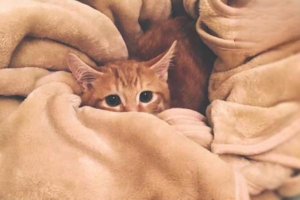
Why Does Your Cat Sleep in the Litter Box?
A cat that sleeps in its litter box usually signals insecurity, illness, stress, or a lack of better hiding spots. Medical causes like joint or abdominal pain warrant a vet check, while multi-cat households may need extra boxes to protect territory. Observe your cat's behavior to find the real cause.
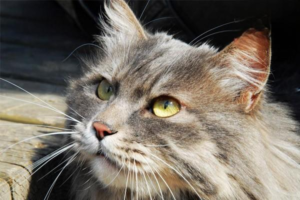
Can Cat FIP Spread to Humans?
Feline infectious peritonitis (FIP) does not spread to people or, by current evidence, between cats—it is not considered a contagious disease. It arises when a cat's coronavirus mutates, driven by genetics, stress, and environment; prevention focuses on reducing stress and supporting immunity.

How to Treat Feline Rhinotracheitis (Cat ‘Snuffles’)
Feline rhinotracheitis is essentially a cat upper-respiratory infection: it starts with watery eye and nose discharge and, if the virus spreads, progresses to thick pus, swollen eyes, poor appetite, and labored breathing, sometimes ending in pneumonia. Treatment works best in stages — supportive care early, nebulization and antivirals mid-way, and antibiotics only if it worsens.

What to Do When a Hairless Cat Catches a Cold
Hairless cats have no fur to insulate them, so they catch chills easily—keep a sick cat warm, hydrated, and well-fed, and use heat-clearing or antiviral medication for cold symptoms. If eye discharge, red eyes, or fever appears, the cause may be feline rhinotracheitis and needs prompt veterinary care. Year-round, hairless cats need indoor living, clothing in winter, regular wiping in summer, and a calm, safe environment.

How Dangerous Is Urinary Blockage in Male Cats?
Urinary blockage is one of the most common — and most recurring — emergencies in male cats, and if untreated it damages the kidneys and can kill. Watch for frequent, strained, bloody, or absent urination, and prevent it with water, the right diet, low stress, and exercise.