Search Results
391 results for “reduce cat stress”
What Are the Black Dots on My Cat’s Skin?
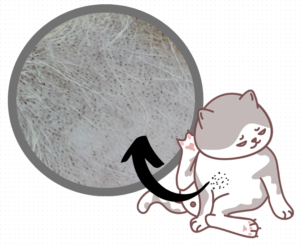
Those little black specks on your cat's chin, tail, or belly are usually the early sign of folliculitis—clogged, infected hair follicles that look like human blackheads. It is common, mild, and very treatable with gentle local cleaning, a lighter diet, and a few daily-habit tweaks. Here is how to recognize it and clear it up.

Why Does Your Cat Suddenly Dart Around the House?
When a cat suddenly tears around the house, pounces at empty air, or arches its back and puffs up, it is usually showing what veterinarians call Frenetic Random Activity Periods (FRAPS)—a normal behavior, especially in kittens and young cats. The triggers are mostly instinctual: a retained hunting drive, excess energy, stress, or heat in unspayed cats. Occasionally, frantic running signals a health problem such as hyperthyroidism, a neurological disorder, or a parasitic infection, particularly when paired with appetite loss, weight drop, or lethargy. Meeting the cat's exercise needs with toys and play, plus a calm, safe environment, keeps normal zoomies harmless and happy.

Is It Normal for a Cat’s Ears to Feel Hot?
A cat's normal body temperature runs a little higher than a human's, so ears that feel warm to the touch are usually normal. But ears hotter than usual can signal a problem—stress or anxiety, a respiratory infection, ear inflammation, or simply a warm room. To decide whether it's normal, look at the whole picture: lethargy, reduced activity, poor appetite, or red, smelly, discharging ears all call for a vet. A quick nose check and a thermometer (normal 38–39.5°C; above 40°C needs prompt care) will confirm a fever.

Why Cats Eat Less in Winter (and What to Do)
Cats are poor at regulating body temperature, so when it gets cold their metabolism slows and appetite often drops. Lower winter activity also weakens gut motility, slowing digestion and leading to reduced interest in food. Appetite loss can also signal a health problem—a chill, a cold, oral disease, or long-term cold drinking water causing stomach upset. To help, warm your cat's surroundings, feed on a fixed schedule, and boost palatability by mixing in favorites like chicken, fish, freeze-dried treats, or egg yolk, and serve food slightly warmed. If you notice sneezing, runny nose, lethargy, fever, diarrhea, or vomiting, see a vet.

Will Hitting a Cat Stop It From Peeing on the Bed?
Many cats develop a habit of urinating on the bed, and the strong odor of cat urine makes the smell linger even after cleaning, causing real frustration for owners. Some pet parents believe a quick swat will teach a lesson, but punishment rarely works. Most cats that are hit will hold a grudge and may urinate on the bed even more, or act out with scratching, sofa damage, or nighttime attacks. In truth, bed-wetting usually signals an underlying issue—heat cycles, stress, or a urinary or reproductive disease—not defiance. The right approach is to rule out medical problems, consider spaying or neutering, check the litter box, clean accidents thoroughly, and reward correct toileting. Guidance, care, and positive reinforcement, rather than punishment, are what truly resolve the behavior.
What to Do When Your Cat Has a Fever
Cats get fevers just like people, but a cat's fever is rarely simple - it can signal parasites, stress, bacterial infection, panleukopenia (feline distemper), feline herpesvirus, or various inflammations. A fever is not a small matter: left alone it can damage organs and even turn deadly. Telltale signs include hot ears and tail tip, a dry nose, sweaty paw pads, and a cat that suddenly prefers cool floors and dark corners while eating less and looking limp. Normal cat temperature runs 38-39C (about 39.3C in kittens); above 39.5C is a fever and above 40C is high. For a mild fever or when a clinic is out of reach, cool the paws and belly with alcohol and offer water, but never give human fever medicine, which can be fatal - see a vet for high fevers.

Do Cats Bully Each Other?
Bullying does occur among cats, yet owners often overlook it—especially in multi-cat homes. Cats are territorial animals that establish a social hierarchy, so competition over food, water, litter boxes, space, or a newcomer's arrival can trigger one cat to intimidate another. Typical bullying includes chasing, pouncing, biting, resource guarding, and social exclusion, while victims may over-groom, hide, lose appetite, or grow aggressive. Left unchecked, chronic stress harms the targeted cat's health and the household's harmony. The good news is that owners can prevent and reduce conflict by providing ample resources, introducing new cats gradually, intervening calmly when fights start, and avoiding favoritism. This guide explains why cats bully, how to spot both the behavior and its victims, and practical steps to restore peace.
Can Cats Eat Mint Leaves?
Plain mint leaves are not toxic to cats, though most cats dislike the cool scent and rarely eat them, so a home mint plant is safe to grow. Do not confuse mint with catnip: catnip has little smell to us but excites cats, easing tension—offer a little when a cat is stressed, but not too much, or it may become overstimulated. Cat grass is another useful plant: its fiber aids digestion and helps pass hairballs, and it supplies trace nutrients. Grow some cat grass or keep hairball paste on hand. In short, mint leaves are harmless; just know the difference between mint and catnip.

Why Your Spayed Cat Still Yowls
Spaying does not guarantee a quiet cat. Many owners are surprised when a neutered female still yowls at night or demands attention for no obvious reason. The cause is rarely the surgery itself and more often a mix of breed temperament, habit, unmet needs, or an underlying health issue such as an overactive thyroid. Here is how to read the behavior and what to do about it.

How to Safely Break Up a Cat Fight?
Cats that live together may occasionally scuffle, but frequent or violent fights need intervention. The key is to protect yourself first—never use your hands—then redirect their attention or separate them, and address the root causes with fair resources and gradual reintroduction.