Search Results
147 results for “rabbit winter”

What Season Is Best for Breeding Rabbits
Spring and autumn are the best breeding seasons — warm, dry, and bright, with high conception and kit-survival rates. Avoid breeding above 30°C in summer or without heating in winter. Choose quality stock, feed a balanced diet with carrots pre-breeding, give exercise and light, and time mating to bright-red vulva estrus using repeat mating.

When Is the Best Time to Breed Rabbits
The best breeding time depends on the method. For natural mating, breed does at mid-to-late estrus (vulva bright red); for post-kindling 'blood mating', breed 1–2 days after birth; for AI, induce ovulation first and inseminate within 2–8 hours. Time of day also matters — cool parts of the day in summer, warm midday in winter.
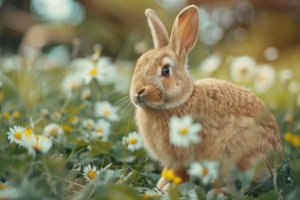
Precautions for Group-Fattening Meat Rabbits
Group-fattening meat rabbits saves labor and improves finishing, but only if you manage stocking density, separate sexes and group by condition, keep littermates together, run an all-in/all-out system, and maintain strict hygiene, disinfection, quiet, and temperature control. These measures raise survival and finishing rates.

Rabbit Rhinitis: Symptoms and Treatment
Infectious rabbit rhinitis is usually triggered by temperature swings; young rabbits are hit hard with high death rates. This guide covers symptoms, when it strikes, and treatment plus prevention (isolation, penicillin/streptomycin, vaccines).
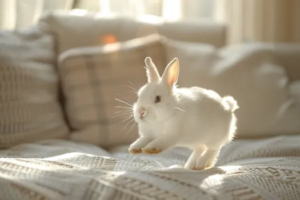
Key Management for Raising Baby Rabbits
A baby rabbit is usually one from weaning to three months, the hardest age to keep and the time with the highest death rate. Here are the key management tasks to raise survival.

Care Before and After Plucking a Long-Haired Rabbit’s Fur
Before plucking, comb the fur to prevent matting. After, strengthen feeding with digestible, nutritious feed and add some vitamins. This article covers more tips and cautions for plucking long-haired rabbits.
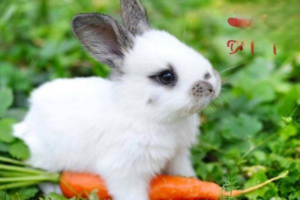
How to Improve Rex Rabbit Pelt Quality
Rex rabbit pelt quality depends on breeding, early growth, and feeding. Use cross-line breeding with strong lines, push weight gain before 3.5 months then limit it, feed complete pellets with additives, keep the hutch near 25°C and 55 to 65% humidity, and slaughter at about 5 months and 2.5 to 3 kg.

Best Seasons for Rabbit Breeding
Rabbits can breed year-round, but temperature drives estrus, conception and litter size. Spring is ideal (80%+ estrus, 7–8 kits); autumn is good with extra nutrition; summer and winter need shade, cooling, warmth and added greens to succeed.

Lop Rabbit Care Essentials
Lop rabbits make popular pets but need correct care. Buy a 2 to 3 month healthy one, feed pellets and hay as staples with small vegetable and fruit treats (none under 6 months), never meat or spicy food, and keep cats away to avoid toxoplasmosis. Litter-train early, walk at dusk on safe ground, keep 18 to 25°C, and groom, bathe monthly, and trim nails.
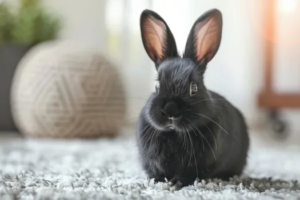
Rabbit Constipation: Causes and How to Prevent It
Rabbit constipation, common in young and old rabbits, comes from dry hardened gut contents due to poor feeding, too much concentrate, low water, or too little exercise, and can block the gut. Signs are poor appetite, hard small stools, then no stool with a painful belly and palpable hard masses. Prevent with balanced feed and water plus exercise; treat early with greens and, for severe cases, sodium sulfate or salt laxatives.