Search Results
308 results for “pet turtle”
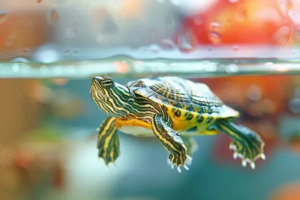
Which Turtles Are Cheap and Easy to Keep?
Popular pet turtles that are both affordable and easy include the Chinese pond turtle, red-eared slider, painted turtle, Burmese tortoise, yellow-spotted side-neck, Mississippi map turtle, flame turtle, mud turtle, and musk turtle. They resist disease and suit beginners. The Chinese pond turtle is native, interactive, and trainable; the red-eared slider is cheap, easy, and long-lived beyond twenty years; the yellow-spotted side-neck is colorful but needs a heater above 30 degrees as a tropical species.
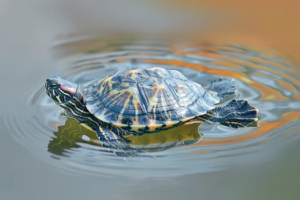
Tips for Keeping Turtles and Fish Together
Not every turtle belongs with fish. Good tank mates need to live in deep water, prefer plants, and have a gentle temperament so they will not attack fish, which is why the pig-nosed turtle, yellow-spotted side-neck, and razor-backed musk turtle are common choices. Use a dedicated tank with a basking area, feed turtles and fish separately on their own schedules, and pick mild species on both sides to avoid injury to either.
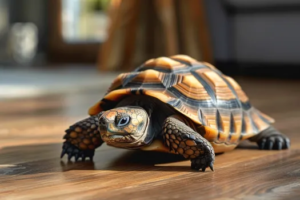
Are Red-Eared Sliders Smarter Than Pond Turtles?
The red-eared slider is widely regarded as the smartest turtle species and is brighter than the pond turtle. With regular feeding at set times and plenty of interaction, a slider quickly learns its owner's voice and scent, recognizes them, and dares to approach, showing real attachment. Compared with pond turtles, sliders have faster reactions, stronger learning, and better memory, and they can form conditioning more quickly. Feeding by hand from a young age is the fastest way to build that bond.
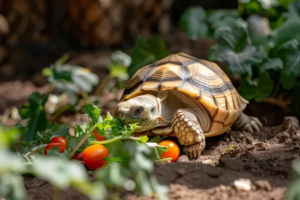
Which Turtles Are the Most Interactive?
Many turtles are surprisingly interactive, including the Mexican mud turtle, Florida snapping turtle, West African side-neck, yellow-spotted side-neck, western painted turtle, map turtle, musk turtle, helmet mud turtle, Chinese pond turtle, and red-eared slider. The Chinese pond turtle is a native species that adapts well and rarely gets sick. No matter the breed, good interaction depends on learning the turtle's habits, feeding appropriately, and giving consistent, scientific care so the turtle stays healthy.
What Are Semi-Aquatic Turtles?
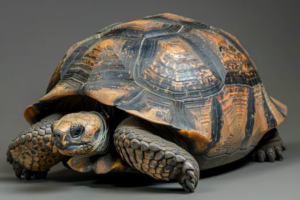
Semi-aquatic turtles are species that do not depend heavily on water. Unlike fully aquatic turtles that must live submerged for long periods, semi-aquatic turtles can spend time on land and only need occasional access to water. In captivity, owners should always provide a shallow water basin so the turtle can soak when needed. Popular examples include the golden coin turtle, leaf turtle, yellow-margined box turtle, Asian giant turtle, spiny hill turtle, and Amboina box turtle. Most semi-aquatic turtles are omnivorous and lean toward plant-based foods. A practical diet uses commercial turtle pellets as the staple, supplemented with vegetables and fruit. Because they do not need water to swallow, they eat comfortably on land, which makes them relatively easy to care for.

What to Do If Your Turtle Eats Only Meat and Rejects Pellets
A turtle that refuses pellets for meat usually has a taste preference or a digestion issue, but long-term meat eating risks gut inflammation, pickiness, malnutrition, and fatty liver. First check that the pellets are fresh and clean, or try a different brand, shape, or flavor—always soak pellets in water so the turtle can swallow. You can also change the routine: more swimming time and sunlight boost appetite. The firm fix is 'starvation training'—offer only pellets, no meat, until hunger wins. If nothing works, or you're unsure the turtle needs food, consult a veterinarian for a tailored plan.

What Are the Differences Between Tortoises and Sea Turtles?
Tortoises and sea turtles differ greatly in form, habitat, and habits, even though both belong to the order Testudines. Tortoises live on land, needing only occasional soaking and unable to stay in water long; sea turtles spend life at sea, coming ashore only to lay eggs and bask. A tortoise's shell is thick and domed, with short sturdy legs that bear its weight; a sea turtle's shell is thin and smooth, with long front flippers. Tortoises can pull their limbs inside when threatened; sea turtles cannot. Both are omnivorous, but tortoises eat roots, leaves, fruit, and vegetables, while sea turtles favor seaweed. Knowing these differences helps any keeper care for them correctly.

How to Care for an Alligator Snapping Turtle
Alligator snapping turtles are aggressive, long-lived freshwater turtles that make challenging but rewarding pets. They are mostly aquatic but must come ashore often to breathe, so provide a rock or basking platform. Keep water deep, about two to three times the shell height, with a land area for shelter and sunning. Change only one fifth to one third of the water weekly to avoid shocking them. Feed a varied carnivorous-leaning diet of fish, shrimp, earthworms, lean meat, and insects plus some greens, and keep the temperature steady at 26 to 32 degrees Celsius. Avoid overfeeding and too much fat or salt, and clean the habitat regularly to prevent disease.

How to Care for a Red-Eared Slider (Brazilian Turtle)
Red-eared sliders, often called Brazilian turtles, are inexpensive and hardy, which makes them a popular first pet turtle. But like any reptile, they need the right setup to stay healthy. Provide a spacious aquarium or tub so the turtle can swim freely, keep the water between 20 and 30 degrees Celsius with a heater, and add a basking platform or dry land where it can climb out to warm up and rest. Without natural sunlight, use a UVB lamp to support calcium absorption and shell development. Change the water regularly and keep the substrate clean to prevent infection. Feed a balanced omnivorous diet of vegetables, fruit, insects, and quality pellets, with calcium and vitamin supplements. With consistent care, your turtle can thrive for years.
How Often Do Turtles Shed Their Shell?
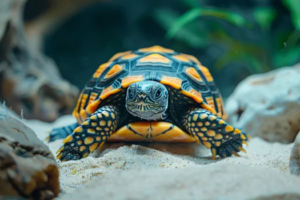
Turtle shell shedding (ecdysis) is a normal part of growth: as the body enlarges, the old shell can no longer contain it, so a new one forms underneath. Turtles usually begin shedding around age 2 to 3, with each cycle lasting 1 to 3 months, most often in spring and summer when metabolism is high. After age 6, growth stabilizes and shedding slows. Owners must let the scutes detach naturally—never pull them—and boost calcium and nutrition during the process. This article explains the timing, care, and warning signs.