Search Results
308 results for “pet turtle”
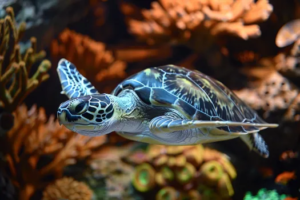
Symptoms and Removal of External Parasites in Turtles
Turtles do get external parasites, most often ticks and mites. On their own these pests do little direct harm, but they still need to be removed. An infested turtle may itch, develop rashes, and show diarrhea, weight loss, and poor appetite, and left long enough a heavy load can even be fatal. The good news is that good husbandry prevents most cases, and an established soaking routine clears an active infestation. This guide explains the signs to watch for and the practical steps to treat and prevent external parasites.

How to Prevent Parasite Disease in Turtles
Turtles can develop parasite disease, and the risk rises in the hot summer months, so prevention belongs in every keeper's routine. Common parasites—tapeworms, coccidia, roundworms, and others—live in the gut, lungs, liver, and more, stealing nutrients and weakening the turtle until it wastes away. Good hygiene, quarantining new arrivals, and prompt deworming are the core defenses. This guide explains the parasites, their symptoms, and the practical prevention and medication steps that keep your turtle healthy.
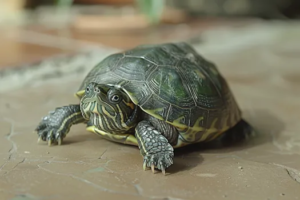
Internal Parasites in Turtles: Flukes and Protozoa
Flukes and protozoa are among the more common internal parasites in pet turtles, and knowing their signs helps you act before they drain your turtle's health. Flukes lodge in the liver, pancreas, and gut, causing appetite loss and bloody stool, while protozoa such as amoebas inflame the intestine and often trigger bacterial enteritis at the same time. Both are diagnosed through fecal checks and treated with specific dewormers plus gut support. This guide lays out the symptoms and the matching treatment for each parasite.

White Fuzz on Your Turtle’s Neck: Shedding or Water Mold?
White fuzz on a turtle can be normal shedding or a sign of water mold disease. If the fuzz has a clear texture with no soft rot, it is likely shedding—just give more sunlight. If fuzz appears on multiple areas and looks rotting, it is probably water mold and the turtle should be isolated and treated. The root cause is usually overcrowding and polluted water; prevent it with good nutrition, wound care, and regular water changes.

Can Water Mold Disease in Turtles Be Avoided? (Causes & Prevention)
Water mold disease is preventable. Although Saprolegnia is widespread in water, its presence alone does not cause the disease—infection requires a wound. A healthy, uninjured turtle will not get water mold, so the key is good husbandry: smooth enclosures, regular sunlight, balanced nutrition, and clean water. Early signs include gray-white spots and white fuzzy growths on the skin and shell; untreated, the disease progresses to swelling, ulcers, appetite loss, and death.

How to Prevent and Treat Water Mold Disease in Turtles
Prevention is the cornerstone of managing turtle water mold, and the root of prevention is avoiding injury—a turtle without wounds rarely develops the disease. Already-infected turtles must be isolated and treated promptly based on their condition. Practical steps include smoothing tank decorations, avoiding mixed-keeping of mismatched turtles, and keeping water stable rather than merely clean. Early isolation and wound care stop the fungus from taking hold.

How to Treat and Prevent Water Mold Disease in Turtles
Water mold disease (saprolegniasis), caused by Saprolegnia and Achlya fungi, is a common illness in aquatic turtles that usually strikes during overwintering and spring. Infected turtles may lose appetite, grow weak, and develop gray-white patches and fuzzy white growths on the skin; severe cases lead to emaciation, swelling, skin ulcers, and even death from exhaustion. Because the fungus is widespread in water and hard to eliminate, prevention focuses on keeping the turtle injury-free, maintaining water temperature around 28–30°C, and providing regular sunlight. If infection occurs, dry-docking the turtle with short daily soaking, applying povidone-iodine for disinfection, and using a pet-safe antibacterial ointment on affected areas can aid recovery.
What happens when a turtle gets scared?
When a turtle is frightened it typically pulls its head, limbs, and tail back into its shell and refuses to come out for a long time. Chronic stress can make it skittish and reactive, and in severe cases lead to appetite loss and diarrhea, so newly arrived turtles should be left undisturbed until they settle in.
My turtle just lies there and sleeps all the time – why?
A turtle that stays still and sleeps constantly may be stressed by a new environment, kept in water that's too hot or cold, living in poor water quality, or actually ill. Rule out disease first, then check water temperature - low temperatures trigger hibernation - and in summer change the water often and use a pet-safe disinfectant to prevent bacterial buildup, while feeding high-quality food rich in protein and vitamins.
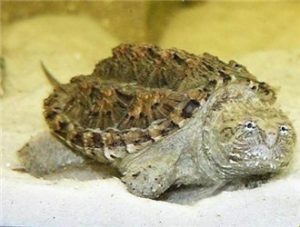
Florida Snapping Turtle
The most heavily-spined of the four Chelydra subspecies - a fierce, heat-loving carnivore from Florida and Georgia. Adults are aggressive; a meat or farm turtle more than a pet.