Search Results
308 results for “pet turtle”
Are turtles sensitive to heat?
Turtles do mind the heat. They thrive around 23–26°C, where warmer temperatures mean a bigger appetite and faster growth, but beyond 30°C both appetite and growth slow down. In hot summer weather, move turtles indoors or add shade over the pond to keep them healthy.
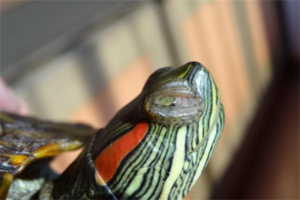
What Are the Symptoms of Turtle White-Eye Disease?
Turtle white-eye disease is a bacterial infection: early signs are a red, whitening nictitating membrane with discharge, worsening to swollen, stuck-shut eyelids and a cloudy cornea, often with lost appetite. Treat with gentle cleaning plus antibiotic eye drops and ointment (and oral antibiotics for severe cases), warm the habitat, and keep water clean to prevent it.
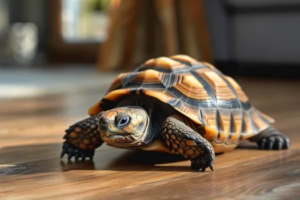
How to Tell If Your Turtle Is Sick
A sick turtle shows clear warning signs: sluggish reactions, sunken limbs, floating for long periods, swollen neck or legs, abnormal droppings, and shell rot. Watch your turtle daily so you can act early and avoid serious illness.

How to Care for a Golden Coin Turtle as a Beginner
A golden coin turtle (Cuora trifasciata) needs a semi-aquatic setup — shallow water just covering the shell, a basking spot, filtration, and steady 25–30°C warmth under a UVB lamp. Feed a varied omnivorous diet in moderation, keep the enclosure clean, and monitor the shell, eyes, and droppings for early signs of trouble.
What should I do if my Brazilian turtle won’t eat turtle food?
New turtles need 2 to 3 days to adjust; water below 20 C stops feeding and below 15 C causes hibernation, while over 35 C also kills appetite. Persistent refusal may mean enteritis.
What are some cheap and easy-to-keep pets?
Good low-cost, low-effort pets include rodents like hamsters, guinea pigs, fancy rats and rabbits, which rarely get sick and need little space. Aquatic pets like goldfish, bettas and turtles are easy if water quality and oxygen are maintained. Birds like thrushes and parrots also fit.
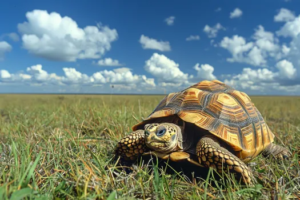
What to Do About a Cracked Turtle Shell
How to handle a cracked shell depends on severity. Minor scratches or surface cracks can be treated at home, while large breaks or deep fractures need a veterinarian quickly. To prevent damage, keep turtles off high places and clean their habitat often to avoid bacterial infection. A turtle's shell can regrow, so most minor injuries heal with patience.
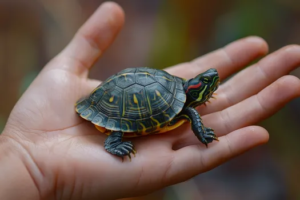
What Water Temperature Is Best for Snapping Turtles?
Snapping turtles tolerate water from 3 to 45 degrees Celsius, but thrive best between 20 and 30 degrees. Below 18 degrees they stop eating, and below 15 degrees they enter hibernation. Above 30 degrees they may become overactive and suffer dysfunction, with signs like poor appetite and breathing difficulty. Keep the water within a comfortable range and change it regularly, replacing about one quarter to one third each time, to keep quality and temperature stable and support healthy growth.
How to Feed and Choose Turtle Pellets
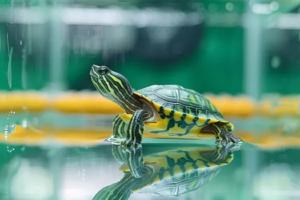
A proper diet is the key to a healthy, long-lived turtle. Choose high-quality pellets made from fresh fish and shrimp and matched to your turtle's species and feeding habits, then control the amount and frequency of feeding. Beyond pellets, offer fresh fruit, vegetables, and greens for extra nutrition—but never chocolate, onions, or other harmful foods. Soaking pellets for 10 minutes before feeding small turtles under 10 cm aids digestion, and rotating brands keeps the diet varied so your turtle doesn't turn picky. A little attention to feeding goes a long way.
Key Points for Keeping Turtles as a Beginner
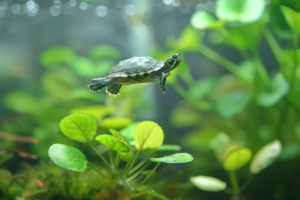
Good water, enough food, sunlight, and suitable temperature are the basics of turtle keeping and the keys to a long, healthy life. Focus on diet: choose high-quality turtle pellets for balanced nutrition and avoid processed human foods like sausage, bacon, and fried snacks, which are salty and burden the liver. Feed by size, two to three small shrimp for a hatchling, and adjust frequency with the season, roughly every one to three days and daily in hot summer.