Search Results
299 results for “pet supplements”

Why Your Cat Keeps Getting Thinner
A cat that keeps losing weight can signal parasites, poor diet, stress, aging, or underlying disease. Worms such as roundworms and tapeworms steal nutrients; stale or unappealing food lowers appetite; household changes or an owner's absence cause stress; and digestive, liver, or kidney disease blocks normal nutrient uptake. Older cats naturally eat less as metabolism slows. Have a vet identify the cause, then offer high-protein, high-fat food in small frequent meals, add supplements, and keep a regular deworming schedule to help your cat regain condition safely.

Leopard Danio
The Leopard Danio is native to Southeast Asia and is prized for its vivid leopard-like coloration, making it a favorite among tropical fish keepers. Hardy and easy to care for, it is an excellent choice for beginners. A peaceful, active schooling fish, it reaches about 3-5 cm and accepts a wide range of foods.

Eastern Painted Turtle
One of four painted-turtle subspecies - smaller, plainer and a bit harder to keep than the western form, but a classic, hardy North American pet with a red-edged shell.
Fiji Banded Iguana
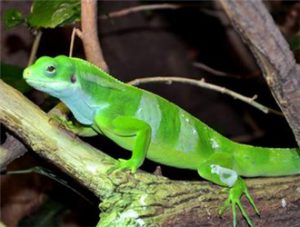
The Fiji banded iguana (Brachylophus fasciatus) is a vividly striped, diurnal arboreal iguana endemic to Fiji and Tonga, listed under CITES Appendix I as an endangered species and very rarely seen in the pet trade.

Colombian Wood Turtle
The Colombian wood turtle (Rhinoclemmys melanosterna), also called the black-bellied wood turtle, is a vividly marked, entirely dark-plumaged member of the American wood-turtle genus. A tropical, aquatic omnivore from northwestern South America.

Beaked Cape Tortoise
The Beaked Cape Tortoise (Homopus areolatus), or parrot-beaked tortoise, is the world's smallest tortoise, a secretive rock-dweller endemic to South Africa's Cape. Delicate in captivity, it is best left to experts.
African Grey Parrot
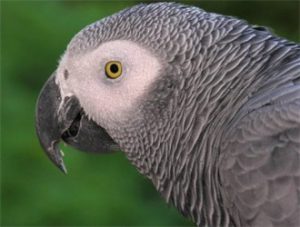
The African grey parrot (Psittacus erithacus) is a large parrot and a typical perching bird, famous as one of the few animals that can truly hold a conversation with humans, with very high intelligence and a lifespan around 50 years.

Chinese White Rabbit
The Chinese White Rabbit is China's oldest domestic rabbit — small, compact, and remarkably hardy, with red eyes only in the white form. A meat-type landrace that also makes a tough pet, it needs a wire-free cage, a ball-valve bottle, and a simple diet of pellets, alfalfa, timothy, and boiled water. Watch for coccidiosis.
Alexandrine Parakeet
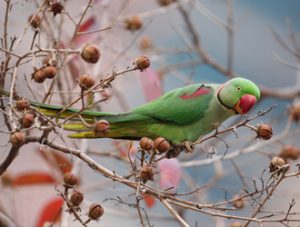
The Alexandrine Parakeet (Psittacula eupatria) is the largest parakeet in Asia — over 55 cm long, mostly green with a red beak and a gray-blue neck. Loved for its beauty, speech, and gentle nature, it needs a large cage, daily interaction to avoid feather-plucking, and fresh branches to chew. Captive-bred birds are easier to keep and breed.
Winter White Dwarf Hamster
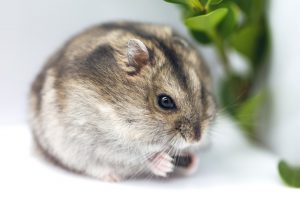
The Winter White Dwarf Hamster (Phodopus sungorus), also called the Djungarian hamster or Russian dwarf, is the easiest and tamest of the small hamsters and turns white in winter. A solitary species, it needs a safe cage, a wheel, and a careful diet free of onion, chocolate, and apple seeds. Lifespan 2–3 years.