Search Results
299 results for “pet supplements”

Why Cats Develop Uremia (and How to Prevent It)
Uremia occurs when kidney damage stops a cat from clearing waste and toxins, which then build up and harm the body. Causes include age-related decline, unbalanced nutrition, and low water intake, while other illnesses can also damage the kidneys. Watch for changes in urination frequency and volume, dark or cloudy urine, and appetite loss, weight drop, vomiting, or dehydration. Prevention centers on high-quality food, plenty of fresh water, a clean environment, and regular checkups and vaccinations; treatment involves medication, fluid therapy, and nutritional support.
Signs Your Dog Is Getting Old
A dog's life spans only a little over a decade, and aging creeps in through everyday details rather than all at once. The earliest changes are white muzzles and cloudy eyes, followed by dental trouble, shifting personality, and less stamina. Because organ function declines with age, seniors also show digestive and urinary changes. Spotting these signs early lets you give your older dog the comfort and care they deserve.

Chinchilla Twitching: Causes and How to Respond
Occasional mild twitching or trembling in a chinchilla can be perfectly normal—chinchillas often flick their faces to sense air currents and check for danger. However, repeated or severe twitching may point to a nutritional imbalance, chronic stress, or an underlying illness. Calcium or vitamin B1 deficiency, loud or bright stressful environments, and conditions such as liver disease, diabetes, epilepsy, or poisoning can all trigger muscle spasms. Because twitching can be an early warning sign, owners should observe their pet closely and seek veterinary care if the behavior is frequent or comes with other symptoms. A balanced diet, a calm and comfortable habitat, and stable temperatures are the best preventive measures.
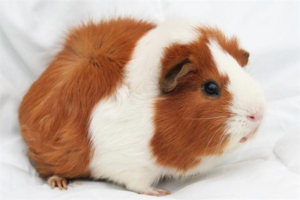
What to Do When Your Guinea Pig Won’t Drink Water?
Guinea pigs need a steady supply of fresh water, and refusing to drink can quickly lead to dehydration and digestive trouble. The cause is often practical rather than medical: too much moisture in their food, stale or dirty water, a poorly placed bottle, or simply a bad habit. Most cases improve once you trim watery produce, switch to a proper small-pet water bottle at the right height, keep it scrupulously clean, and gently train your pet to use it. If a sudden refusal to drink comes with low appetite or lethargy, see a veterinarian to rule out illness.

How to Deal With Dog Bad Breath and Tartar
The best defense against tartar is daily brushing, dental chews and an annual vet check. Choose chew products sized to your dog's mouth so they are not swallowed or lodged in the throat. Brush with a pet toothbrush - large head, soft dense bristles - and if your dog resists, start with a dab of honey on the brush or a gauze wrap around your finger. Dental sprays, powders and water additives are convenient supports but less effective than brushing. None of these remove existing tartar; severe buildup needs professional ultrasonic scaling.

Feeding Your Cat at Every Life Stage
A cat's diet must shift as it grows, from milk-softened kitten food through high-protein junior meals to fixed adult portions and easy senior diets. Special phases like neutering, pregnancy, and recovery have their own needs. This guide maps food, toppers, and supplements to each age so your cat gets the right nutrition.

Symptoms of Canine Distemper: Early, Middle, and Late Stages
Canine distemper is a highly contagious, often fatal viral disease that mainly strikes unvaccinated puppies, with death rates up to 90 percent in young dogs. The virus, which survives for weeks when frozen but breaks down at 50 to 60 C, spreads by contact and airborne droplets and appears as respiratory, digestive, neurologic, or skin forms. Early signs are lethargy, fever of 39.5 to 41 C, eye and nose discharge, sneezing, and diarrhea; the middle stage adds pus-like discharge, vomiting, and appetite loss; the late stage brings neurologic signs such as paresis, ataxia, and seizures. Diagnosis uses test kits, blood work, and PCR, and care focuses on vaccination, immune support, and symptom control.
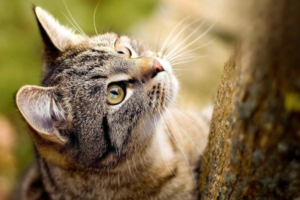
Diagnosing and Treating Feline Idiopathic Cystitis (FIC)
Feline idiopathic cystitis, or FIC, is a common lower-urinary-tract disease in cats whose exact cause is still unknown, yet it is the single most frequent diagnosis in young cats, affecting roughly 50 to 60 percent of cases. It is linked to a defective bladder lining, nerve-driven inflammation, and stress. Because there is no single definitive test, veterinarians diagnose it by exclusion, using the history, urinalysis, blood chemistry, and ultrasound. Most episodes ease on their own within five to seven days, but treatment focuses on pain relief, protecting the bladder lining, litter-box management, more water, prescription food, and reducing stress.

Causes and Prevention of Liver Disease in Cats
The liver is the body's largest metabolic and digestive organ, and in cats it is closely tied to the blood, digestion, tendons, and eyesight. Liver disease can arise from nutritional or endocrine disorders, infections, or poisons such as arsenic, mercury, chloroform, and aflatoxin. Early signs are usually digestive, like vomiting, poor appetite, and pale stools, while later stages bring muscle tremors and weakness. Management focuses on the right balance of energy, protein, fat, and carbohydrates, plenty of vitamins, and a light, easily digested diet or a prescription liver formula to support recovery.

How to Care for a Red-Eared Slider (Brazilian Turtle)
Red-eared sliders, often called Brazilian turtles, are inexpensive and hardy, which makes them a popular first pet turtle. But like any reptile, they need the right setup to stay healthy. Provide a spacious aquarium or tub so the turtle can swim freely, keep the water between 20 and 30 degrees Celsius with a heater, and add a basking platform or dry land where it can climb out to warm up and rest. Without natural sunlight, use a UVB lamp to support calcium absorption and shell development. Change the water regularly and keep the substrate clean to prevent infection. Feed a balanced omnivorous diet of vegetables, fruit, insects, and quality pellets, with calcium and vitamin supplements. With consistent care, your turtle can thrive for years.