Search Results
2124 results for “pet diet”

Acanthoscurria insubtilis
The Bolivian whitefront (also called the Bolivian whiteknee), Acanthoscurria insubtilis, is native to Bolivia. A slightly moist substrate of peat blocks or coconut fiber is recommended.

Lasiodora klugi
The Bahia scarlet tarantula (Lasiodora klugi) is native to the tropical rainforests of Bahia state, Brazil.

White-throated monitor
The white-throated monitor (Varanus albigularis) is a fairly typical monitor lizard and possesses most of the traits of the group.

Phormictopus cancerides
The Haitian brown tarantula (Phormictopus cancerides), also known as the Dominican blue tarantula, is native to the tropical rainforests of Haiti and Brazil. It is one of the classic pet tarantula species kept by enthusiasts.
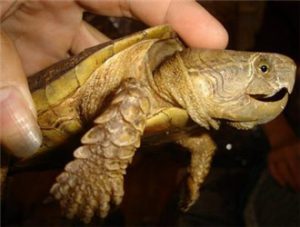
Big-headed Turtle
A bizarre, hook-beaked Asian turtle with a huge triangular head it cannot retract - wild-caught and protected, so captive-bred-only and for specialists.

Dog Panting After a Few Steps? Don’t Ignore Heart Trouble
A dog that pants heavily or struggles to breathe after only a short walk may be signaling heart disease rather than mere old age or extra weight. Key warning signs include a sudden drop in stamina, labored breathing at rest, blue-tinged gums, nighttime coughing, and lethargy. Early veterinary diagnosis and daily heart-care management can dramatically slow progression and extend your dog's life.

Golden Python
The Golden Python is a patternless, leucistic morph of the Burmese python (Python bivittatus), prized for its uniform golden-cream coloration. Wild-type individuals cannot survive in nature due to a lack of protective melanin, so every specimen in captivity is captive-bred. A large, heat-loving constrictor, it needs steady temperatures of 26–33°C, regular soaking to aid shedding, and a diet of whole rodents or rabbits.

Banded Krait
A strikingly banded, highly venomous elapid of southern China and Southeast Asia - beautiful but dangerous; not a pet and a poor choice for novices.

Lipomas and Liposarcomas in Dogs and Cats
Lipomas are common, usually benign fatty tumors made of fat cells that grow slowly under the skin and rarely cause problems. Liposarcomas are the malignant form and can invade and break down. Solid lipomas are removed surgically, with weight control helping recovery.

Canine and Feline Renal Adenoma and Kidney Tumors
Kidney tumors in dogs and cats may be primary growths such as renal adenoma or nephroblastoma, or spread from cancers elsewhere — metastatic kidney tumors are actually more common. Signs are vague but include weight loss, abdominal swelling, and changes in urination.