Search Results
2124 results for “pet diet”

Canine and Feline Liver Tumors
Liver tumors in dogs and cats may be primary or spread from elsewhere, with signs much like chronic liver inflammation — poor appetite, weight loss, and vomiting. Slow-growing tumors confined to one lobe can often be removed surgically.

Canine and Feline Gastrointestinal Carcinoma
Gastrointestinal carcinoma is an uncommon but serious gut cancer in dogs and cats; when it arises in the stomach it thickens the wall and leads to ulcers and infection. Early surgical removal offers the best chance, while advanced cases — especially rectal — carry a poor outlook.

Acanthosis Nigricans (Black Skin Disease) in Dogs and Cats: Symptoms, Treatment, and Care
Acanthosis nigricans is a skin syndrome of itching and friction leading to thickened, darkened skin, seen mainly in certain dog breeds. Causes include allergy, hormonal imbalance, and obesity, and care combines itch relief, diet, and anti-seborrheic care.

Degenerative Arthritis in Dogs and Cats: Symptoms, Treatment, and Prevention
Degenerative arthritis (osteoarthritis) is non-suppurative wear of joint cartilage from years of uneven load, more common in older pets. It causes pain, stiffness, limited motion, and lameness that worsens with activity and cold weather. Weight control, controlled exercise, pain relief, and surgery in severe cases manage it.

Elbow Dysplasia in Dogs and Cats: Symptoms, Treatment, and Prevention
Elbow dysplasia is a group of inherited developmental elbow joint diseases - ununited anconeal process, fragmented medial coronoid process, and osteochondritis of the medial humeral condyle - driven by genetics and rapid growth. It causes forelimb lameness, a reluctance to walk, and sometimes a crackling joint sound. Weight control, pain relief, and surgery in severe cases are the mainstays.

Hypertrophic Osteodystrophy in Dogs and Cats: Symptoms, Treatment, and Prevention
Hypertrophic osteodystrophy (metaphyseal osteopathy) is a bone-growth disorder of the active growing ends of long bones in young, rapidly growing large-breed dogs. It causes symmetric swelling, heat, and pain over the metaphyses with lameness, fever, and lethargy, and is managed with pain control, infection prevention, and nutrition.

When Your Dog Pants After a Short Walk: A Heart-Health Warning
Panting after brief exercise can be normal, but a formerly active dog that tires after a few steps, pants without exertion, coughs at night, or shows blue gums may have heart disease. Veterinary heart assessment and early care greatly slow progression.
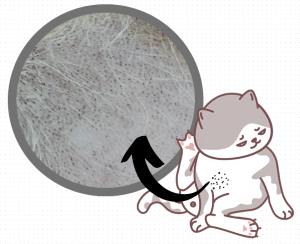
Black Dots on Your Cat’s Skin: Folliculitis, or ‘Black Chin’ and ‘Stud Tail’
Black dots on a cat's skin are usually the early sign of folliculitis, like blackheads, driven by excess sebum, blocked follicles, and bacterial infection. On the chin it is called black chin, and on the tail stud tail or oily tail, both managed with gentle localized cleaning and diet adjustments.

Lead Poisoning in Dogs and Cats
Lead is a heavy metal that most often poisons young pets after they chew paint, batteries or contaminated water. It causes nervous signs such as seizures, aggression and incoordination, plus anaemia and urinary irritation.
Malabsorption Syndrome in Dogs and Cats
Malabsorption syndrome covers several diseases in which the small intestine cannot absorb nutrients. Pets lose weight despite a good appetite, pass fatty stools and may become anaemic; treatment targets the underlying cause and a special diet.