Search Results
449 results for “pellet feeding”
How to get tang fish to start eating?
Healthy tangs usually start eating easily: acclimate, then rest a day. On days 2-3 offer nori on a rock; if it pecks, it is eating. Then introduce pellets gradually.

What to Do When a Turtle Won’t Eat
A turtle that refuses food is usually reacting to a poor habitat, bland diet, or wrong water temperature rather than true hunger. Restore its appetite by mimicking a natural setup, offering scented meaty foods, and keeping water at 22–25°C, while ruling out illness and avoiding salty or parasite-risky feeds.
How do you keep tropical fish?
Control water temperature and quality; most tropical fish like 24-29C with stable temperature year-round. Change about one third of the bottom water regularly to prevent deterioration.
What water temperature should be maintained for keeping discus fish?
The ideal water temperature for keeping discus fish is 25-30 degrees C, and the temperature should be kept constant with minimal fluctuation. Within this range discus fish have a relatively strong appetite, while water that is too hot or too cold will affect their feeding.
What happens if puppy kibble is not soaked?
If puppy kibble is not soaked, very young puppies with baby teeth and sensitive stomachs may struggle to chew and digest the hard pellets, leading to indigestion or choking. Soaking softens the food and makes nutrients easier to absorb.
How should a parrot be fed daily for proper nutrition?
A parrot's diet should be balanced. Use grains like millet, corn, and buckwheat as staples, plus fresh vegetables and fruit for vitamins and minerals. Pellets are very nutritious, and in winter or breeding season add cooked meat protein and fatty nuts in moderation.

A Chinchilla’s Favorite Foods (Ranked)
A chinchilla's main food is hay - they especially love dried timothy and alfalfa, which aid digestion and keep the gut working. Specialty chinchilla pellets pack the needed nutrients. Some also enjoy fruit and vegetables like apple, banana, carrot, broccoli, and spinach. Occasional snacks - hay cookies, hay pellets, nuts, mealworms - are fine in moderation so they don't spoil the main diet.

How to Feed a Guinea Pig at Every Life Stage
Guinea pigs are herbivores needing grass, greens, and water. Babies rely on mother's milk, then start grass around day 10. From 3–6 months they need more hay to wear teeth; adults need balanced hay, veg, and fruit; seniors need soft, nutritious food and extra vitamin C.
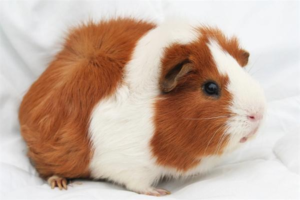
Eight Mistakes New Guinea Pig Owners Make
New guinea pig owners often err: wrong cage, random feeding, poor hygiene, too little space, skipping health checks, no socialization, ignoring natural behavior, and overcrowding. Understand their habits and give a clean, roomy, loving home.
How often should a Frontosa cichlid be fed?
Captive Frontosa can be fed about once a week, mainly pellets with some animal food on a schedule. They need high water quality with pH above 7.5 and warmth.