Search Results
28 results for “partial water change”
What to Do When Your Goldfish Is Swimming Upside Down
A goldfish floating or swimming upside down is alarming but common, usually caused by poor water quality, overfeeding, low oxygen, cold or fluctuating temperatures, or swim bladder disease. Act quickly to add oxygen and prevent long-term damage from suffocation. Season, temperature, water quality, dissolved oxygen, pH, feeding, and water-change frequency all affect a goldfish's health, so careful husbandry matters. You can relieve mild cases by improving water quality, boosting aeration, and raising the temperature—but if the problem is severe or persists, consult a veterinarian or an aquatic specialist for proper treatment.
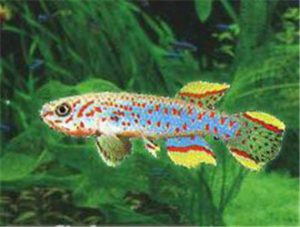
Aegean Killifish
The Aegean Killifish (Aphyosemion celiae) is native to West Africa and shaped like the harp killifish, 6-7 cm long. It likes weakly acidic water and higher temperature (optimal 24-28 C), eats live foods like bloodworms and artemia, and is hardy and easy to keep.

Florida Red-bellied Cooter
The Florida Red-bellied Cooter (Pseudemys nelsoni) is a brightly marked freshwater turtle from Florida and Georgia, popular with keepers who want a colorful alternative to the Red-eared Slider. Hardy and easy to care for, it thrives under slider-like conditions with good water quality and a basking spot.

Silver Fox Rabbit
The Silver Fox Rabbit is a standard fur-breed rabbit with a soft, beautiful coat, but it has weak adaptability and has not been widely promoted or kept. Originating in the former Soviet Union, it is a precious fur-breed variety valued both for its pelt and as a pet.

Why Does My Goldfish Have White Spots — and How to Treat?
White spots on a goldfish usually mean ich (Ichthyophthirius), poor water, a temperature shock, or overcrowding. Isolate the fish, raise the temperature slowly to 25–28°C to kill the parasite, bathe in dilute mercuric acetate, improve the water with partial changes and salt, and lower the stocking density. Watch for mercury poisoning by changing water after recovery.

What Fish Can Live With Guppies?
Guppies are small and peaceful, so they suit other gentle small fish with similar habits — small tetras, livebearers like mollies and swordtails, and bottom cleaners like corydoras. Avoid aggressive types such as red phantom tetra, small cichlids, bettas, and blue gouramis. Keep oxygen high, water stable, and feed weak eaters separately.
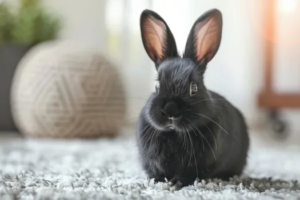
Rabbit Constipation: Causes and How to Prevent It
Rabbit constipation, common in young and old rabbits, comes from dry hardened gut contents due to poor feeding, too much concentrate, low water, or too little exercise, and can block the gut. Signs are poor appetite, hard small stools, then no stool with a painful belly and palpable hard masses. Prevent with balanced feed and water plus exercise; treat early with greens and, for severe cases, sodium sulfate or salt laxatives.

Long-Haired Curly Guinea Pig
The Long-Haired Curly Guinea Pig, also known as the long-curly-haired cavy, is a rare and distinctive guinea pig variety native to Peru and Brazil. With its unique curly long coat and gentle nature, it makes a beloved small pet, though its coat requires regular grooming to prevent matting.
How do you prevent and treat green algae in a fish tank?
Change water regularly (partial every 3 days, full every 2 weeks), limit lighting to 6-8h for plants only, and add algae-eaters like apple snails, otocinclus or shrimp.
Why Does Dog Poop Start Dry Then Turn Loose?
When a dog's stool is dry at the start and loose at the end, it means the gut absorbed water unevenly: the first part sat long and dried out, while the last part moved through too fast to dry. Common, mild causes are diet change, holding stool too long, stress, or gut-flora imbalance. Persistent cases or those with blood, vomiting, or pain can signal megacolon, colitis, or other illness and need a vet.
- « Previous
- 1
- 2
- 3
- Next »