Search Results
26 results for “partial water change”
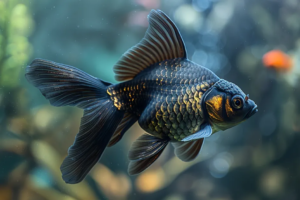
The Right Way to Change Fish Tank Water
Healthy fish start with healthy water. Sudden changes in quality, temperature, or pH can make fish sick, so change water regularly but not too often. Here is the correct way to do it.

Blood Parrot Cichlid Care: Ideal Water Temperature and Husbandry Guide
Blood parrot cichlids are colorful tropical aquarium fish. Keep the water stable at 25–28°C (77–82°F), maintain a slightly acidic pH of 5.5–7.0 with frequent partial water changes, feed a balanced diet of pellets plus occasional disinfected live foods, provide moderate lighting, ensure strong aeration, and watch for common illnesses like saprolegniasis and ich.
Can I use tap water left standing overnight for my fish tank?
Tap water left out for only one night is still not safe for fish because the chlorine has not fully dissipated. Proper preparation takes at least three days of standing or a full day of sunlight.
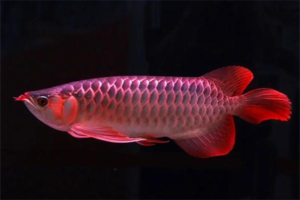
Why Arowana Get Pinecone Disease (Raised Scales) and How to Treat It
Pinecone disease (also called raised or loose scales) is common in arowana. It can be triggered by large temperature swings, poor water quality, or internal infections such as enteritis and ascites. Mild cases often respond to the 'old three methods' — raise temperature, add salt, and partial water changes — while severe cases need antibiotics.
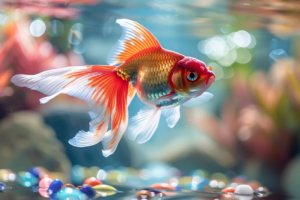
How to Treat Popeye in Blood Parrot Fish?
Popeye (exophthalmia) in blood parrot fish is most often caused by poor water quality and infrequent water changes, though injury or malnutrition can also contribute. Treat by isolating the fish, raising the temperature to 28–30°C, adding aquarium salt, doing daily partial water changes of about a quarter, and applying erythromycin eye ointment — with penicillin, chlortetracycline, or a dilute potassium permanganate rinse for severe cases.
Is the Ranchu goldfish easy to keep?
Ranchu goldfish are reasonably easy: use dechlorinated, stable water around 23 to 27 C, feed small frequent meals, and give indirect light. Regular partial water changes keep them healthy.
How do you keep baby guppies alive?
Separate fry from adults, feed infusoria or brine shrimp after a few days, and do regular partial water changes.
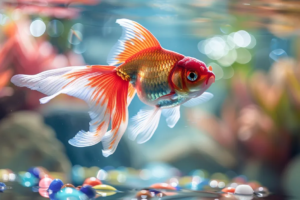
What Living Environment Does a Goldfish Need?
Goldfish are beginner-friendly ornamental fish, but they still need the right water to thrive. Here are the key requirements for water temperature, oxygen, carbon dioxide, pH, and hardness.

How to Care for a Golden Coin Turtle as a Beginner
A golden coin turtle (Cuora trifasciata) needs a semi-aquatic setup — shallow water just covering the shell, a basking spot, filtration, and steady 25–30°C warmth under a UVB lamp. Feed a varied omnivorous diet in moderation, keep the enclosure clean, and monitor the shell, eyes, and droppings for early signs of trouble.
What to Do When Your Goldfish Is Swimming Upside Down
A goldfish floating or swimming upside down is alarming but common, usually caused by poor water quality, overfeeding, low oxygen, cold or fluctuating temperatures, or swim bladder disease. Act quickly to add oxygen and prevent long-term damage from suffocation. Season, temperature, water quality, dissolved oxygen, pH, feeding, and water-change frequency all affect a goldfish's health, so careful husbandry matters. You can relieve mild cases by improving water quality, boosting aeration, and raising the temperature—but if the problem is severe or persists, consult a veterinarian or an aquatic specialist for proper treatment.