Search Results
122 results for “ofloxacin”
My bird is lethargic, not eating, has watery droppings, and a clean vent
Watery bird droppings with a strip of feces and much water may be mycoplasma from poor hygiene-treat with antibiotics and better sanitation. Colored droppings (yellow-green, milky, gray-green) suggest Salmonella, E. coli, or Pasteurella-isolate and use enrofloxacin, ciprofloxacin, or penicillin plus probiotics.
It tilts its head to the right involuntarily, the right leg contracts abnormally and it cannot stand, stool is abnormal with diarrhea, and the right eyelid is hugely swollen and red
A parrot with head tilt, unable to stand, diarrhea, and swollen red eye is likely infected with psittacosis (chlamydia). Urgent vet care and antibiotics are needed.
How long does cat urinary tract infection take to heal with medication?
Healing time for a cat urinary tract infection depends on severity and drug effect; mild cases respond well to amoxicillin-clavulanate or ofloxacin under veterinary guidance. Severe cases with discharge and frequent urination may need flushing, injections, or fluids.
I have a French Bulldog; since yesterday it has had diarrhea and a swollen mouth, acting oddly unlike usual.
Diarrhea has many causes: indigestion, chill, colitis, infection; best to test at a vet and treat by result. For indigestion, fast a day with probiotics and bismuth subcarbonate; severe colitis needs antibiotics. Parasites need deworming; infections need complex care. A swollen mouth is unrelated to gut and needs separate diagnosis.
My rabbit sneezes and has clear runny nose; does it need nebulization?
Sneezing and runny nose usually mean a cold from chill or poor ventilation/hygiene. Treat promptly and keep warm; nebulization helps with severe congestion or respiratory infection. Use veterinary antibiotics like enrofloxacin or amoxicillin, plus astragalus polysaccharide; for fever use flunixin. Avoid human cold medicine.
My Rabbit Has a Hard, Slightly Soft Lump Near Its Eye Oozing White Matter; How Do I Treat It Without a Nearby Vet?
Facial abscesses in rabbits usually come from nasolacrimal or dental problems, sometimes bone infection. They feel like hard lumps or movable soft bumps.
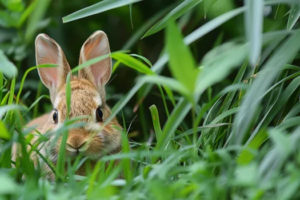
How to Use Medication for Rabbit Health Care
A sound rabbit health program relies on timely medication: anticoccidials in feed for kits, a structured vaccination schedule against VHD, pasteurellosis, Clostridia and Bordetella, routine ivermectin for mange, and antibiotics in hot humid seasons. Consistent prevention is far cheaper than treating outbreaks.

What to Do When a Rabbit Has Diarrhea
Rabbit diarrhea is common and can turn critical fast, especially in weanlings that have lost maternal antibodies. Treat infections with rabbit-safe antibiotics and keep the cage clean and dry; prevent it with safe food, gradual feed changes and isolation of sick rabbits.
My Rabbit Has a Deep Wound and I Can’t Easily Reach a Vet – How Can I Treat It at Home?
This is a deep purulent wound with dead tissue; home care cannot fully clear it and may worsen necrosis, but if you must, clean, disinfect and dress it twice daily with oral antibiotics. Professional care is safer.
My rabbit keeps sneezing, wet nose, slight stuffy breathing; appetite, energy and stool normal — what to do?
Rabbit colds come from chills or poor ventilation/hygiene. Treat promptly and keep warm. Use veterinary antibiotics (enrofloxacin, amoxicillin) for secondary infection, and astragalus polysaccharide oral liquid for immunity; for fever use flunixin meglumine. Never use human cold or Chinese patent medicines — risk poisoning. If worse, see a vet.