Search Results
122 results for “ofloxacin”
What eye drops for inflamed cat eyes?
The right eye drop depends on the cause. Ordinary conjunctivitis responds to levofloxacin or neomycin drops; keratitis or ulcers need cornea-repair drops. See a vet for a precise diagnosis.
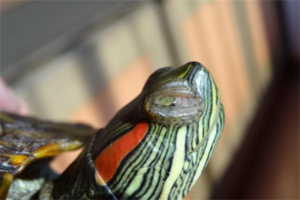
What Are the Symptoms of Turtle White-Eye Disease?
Turtle white-eye disease is a bacterial infection: early signs are a red, whitening nictitating membrane with discharge, worsening to swollen, stuck-shut eyelids and a cloudy cornea, often with lost appetite. Treat with gentle cleaning plus antibiotic eye drops and ointment (and oral antibiotics for severe cases), warm the habitat, and keep water clean to prevent it.
My golden hamster has closed eyes, weak limbs and rapid breathing, and was sleepy and not eating before. What is wrong and what should I do?
Loss of appetite, weak limbs and rapid breathing in a hamster are likely from heatstroke or pneumonia. Keep the room about 21 C, keep it warm, give a little glucose by mouth, and use paper bedding. A vet X-ray is best; rapid breathing may mean low oxygen and is life-threatening, so give oxygen and see a vet at once.

How to Tell If a Dog Has Parvo
Parvo (CPV) causes vomiting, diarrhea (often bloody), appetite loss, fever, and dehydration, especially in unvaccinated puppies. Suspect it with those signs, check for contact with sick dogs, and confirm with a fecal or blood antigen test. Treatment is isolation, symptom control, fluids, and antibiotics to prevent secondary infection.

Do Budgerigars Tolerate Cold Weather
Budgerigars are sensitive to cold and cannot survive below 5 C, so keep the room above that in winter. Move the cage indoors and, if needed, use an incandescent lamp or heater. Feeding more oil-rich seeds like peanuts and sunflower helps them build fat reserves. Lower the bath frequency in cold weather, bathe only in warm water, and if a bird catches a chill, keep it warm and use an antibiotic as directed. Good hygiene supports recovery.

What to Do About White Discharge in Your Cat’s Eye
White discharge usually signals an eye infection such as conjunctivitis, keratitis, or blepharitis, so identify the cause early. Discharge at the corner often means conjunctivitis—check for sneezing, runny nose, or fever, which point to a viral infection needing a vet; a white film over the eye needs prompt clinic care. At home, clean gently with saline, apply pet-specific antibacterial drops (neomycin sulfate, chloramphenicol, levofloxacin), boost vitamins A and C, and keep the environment clean. If no improvement in a few days, see a vet.
What eye drops are good for cat conjunctivitis?
Conjunctivitis is usually bacterial or viral. Bacterial cases are rinsed with boric or alum solution then treated with antibiotic drops and ointment; viral (herpes) cases need antiviral eye drops plus systemic support.

How to Prevent Respiratory Infections in Dogs in Winter
Respiratory disease peaks in winter and during seasonal changes, and is the most common problem seen in clinics. By site it splits into upper respiratory tract (URT) and lower respiratory tract (LRT) infection. URT is mostly viral with secondary bacteria and causes nasal discharge, sneezing, and nosebleeds; LRT is mainly bacterial and brings cough and breathing trouble. Diagnosis separates viral from bacterial with blood work and chest X-rays, and treatment uses vaccines, antivirals, and antibiotics such as doxycycline and enrofloxacin, plus cough and fever control.
Treating a Dog’s Vomiting from a Cold
When a dog vomits due to a cold or viral infection, treatment focuses on relieving fever, fighting secondary infection, and good nursing. Fever above 39°C can be eased with a mild injectable analgesic-antipyretic such as Bupleurum injection, dosed by size. Secondary bacterial infection is treated with penicillin or other antibiotics like cephalosporins or fluoroquinolones, preferably by injection. Keep the sick dog warm and well-nourished.

What Are the Symptoms of Canine Coronavirus?
Canine coronavirus is a fast-spreading intestinal virus that looks a lot like parvovirus. Infected dogs become lethargic and lose their appetite, then develop persistent vomiting and foul-smelling, watery diarrhea that may carry a little blood—often in recurring bouts. Puppies are especially vulnerable, while adult dogs usually recover. There is no specific cure; treatment is supportive (fluids, anti-emetics, gut protectants, and a recovery diet), and prevention through vaccination and good hygiene is the most reliable defense.