Search Results
122 results for “ofloxacin”
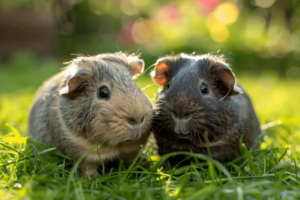
How to Treat Guinea Pig Colds, Bronchitis, and Pneumonia
Guinea pig colds, bronchitis, and pneumonia need different care. Colds take enrofloxacin or sulfadimidine; bronchitis needs higher-dose antibiotics plus an expectorant (carbetapentane or ammonium chloride); pneumonia is urgent — enrofloxacin plus Shuanghuanglian IV, aminophylline for breathing trouble, all at a vet. Isolate sick pigs and treat fast, as pneumonia can kill in 2–3 days.

Symptoms and Treatment of Pneumonia in Guinea Pigs
Guinea pig pneumonia is fast and often fatal within 3–4 days. Signs progress from cough and sneezing to appetite loss and labored breathing; X-ray confirms it. Treat immediately with enrofloxacin (about 1 ml/kg twice daily), isolate the pig, and keep it warm and dry.
What medicine is good for a dog’s urinary tract infection?
For a urinary tract infection, use anti-inflammatory and anti-infective drugs such as enrofloxacin and amoxicillin, ideally after a vet confirms the diagnosis. Simple infections often improve within two days of medication.
It passed jelly-like, bloody stool and is listless; what is this and how to treat it?
Bloody jelly stool in a turtle is usually gastroenteritis from water temperature, water quality, or diet. Keep it dry-warm at 25-30C, offer clean water, and see a vet; injectable gentamicin per weight if needed. Drug dosing is critical.
My turtle’s eyes are swollen and white; I applied erythromycin ointment, it can open them, but half the inner eye is red membrane
For a turtle's white-eye disease, isolate and keep it dry (out of water except meds); medicated baths 30–40 min daily, plus chloramphenicol, ofloxacin, or erythromycin eye drops or ointment 3–5 times daily; if resistant, switch or add oral antibiotics.
A patch of my dog’s skin is oozing pus – what’s going on, and what ointment should I apply?
A moist, pus-filled wound on a dog's skin is generally an inflammatory manifestation caused by a skin infection or a secondary bacterial infection. It is recommended to first clip the fur around the affected area, both to make medication easier and to avoid fur contaminating the wound and causing a secondary infection. Then disinfect the wound with hydrogen peroxide or povidone-iodine to reduce surface inflammatory discharge and other contaminants, and afterward treat it with an antibacterial skin spray and anti-inflammatory ointment - such as Bailing Jinfang ointment, Puante Chuanglide spray, or enrofloxacin spray. If the infected area is relatively large, it is best to have it examined carefully at a hospital before treatment, and then do an external deworming. During treatment, fit the dog with an Elizabethan collar promptly to prevent it from biting or scratching the area and worsening the infection. Observe for 3-5 days; if symptoms do not improve, go to the hospital for a skin scraping to determine the type and severity of the infection, then adjust the treatment plan.

Why Is My Parrot Having Diarrhea, and What to Do
Parrot diarrhea is usually diet or disease. Mild diet cases self-heal or take probiotics; disease cases - salmonella, E. coli, Newcastle, enteritis, chlamydia - need the right drug and isolation. When unsure, try garlic water and warmth, then oxytetracycline, and ask a vet.

How to Tell If a Guinea Pig Has a Urinary Tract Infection
Signs of a guinea pig UTI are frequent, urgent, or painful urination, cloudy or bloody urine, and constant licking of the rear. It usually comes from E. coli entering the urinary tract, so limit fecal contact. Common drugs include enrofloxacin and sulfonamides, but a vet should confirm.
What medication should a female Teddy with urethritis take?
Treatment uses anti-inflammatory/antibacterial and diuretic drugs; mild cases use amoxicillin-clavulanate or ofloxacin. If much discharge or frequent urination, rinse the urethra daily with 2-3% boric acid. Keep the bed clean and disinfected.
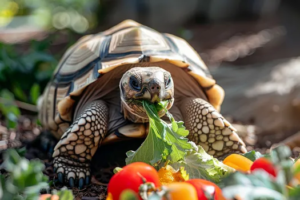
How to Prevent and Treat White Eye Disease in Turtles
White eye disease is a common turtle illness that causes eye inflammation, swelling, and a white film over the eyes, and can stop the turtle eating and even prove fatal. Keep the enclosure water clean and well-aerated, treat mild cases with antibiotic eye ointment, and use injections for severe infections.