Search Results
264 results for “nest temperature”

Hamster Breeding Guide (Part 2): Pregnancy and Lactation
After a successful mating, the doe shows nesting and food-hoarding behavior, visible weight gain by day 10, and a 15–22 day gestation. During lactation, leave mother and pups undisturbed with ample food and water; wean and separate pups to avoid fighting and inbreeding.

Seasonal Care Tips for Hamsters
Season changes bring large temperature swings that can make hamsters sick. Adjust bedding gradually rather than removing all warmth at once, watch for colds during big day-night temperature differences, and switch to summer supplies only from late April.

Hamster Summer Care Guide (Part 1)
For summer, set the cage in a cool, airy spot with breathable bedding (urine sand/cat litter, not wood shavings), a ceramic cool hut, and a cooling corner with a cooling pad or clean pebbles. In AC rooms keep ~25°C with warm bedding and never leave AC on unattended.
How to Care for and Manage Nursling Rabbits
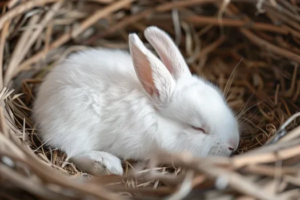
Nursling (unweaned) rabbits are the hardest to raise because their bodily systems are immature and even slight chilling can be fatal. Key management steps include ensuring prompt colostrum intake, keeping the nest warm and rat-free, feeding on a set schedule, starting supplemental feed at 18 days, and weaning scientifically.

How to Care for Unweaned Rabbit Kits
Unweaned kits are fragile—they need colostrum within 6 hours, a warm dry nest, balanced nursing, and gradual bedding changes, with supplementation from 18 days and weaning at about 35 days once they reach 1.2 lb. Careful nursing raises survival.

Guinea Pig vs. Hamster: What’s the Difference?
Guinea pigs (cavies) and hamsters look alike but differ: cavies are larger, tailless, social, and herd-minded; hamsters are compact, tailed, solitary, and hoard food. Cavies are calm herbivores needing company, quiet, and dry space.

How to Diagnose and Treat Canine Coronavirus
Canine coronavirus looks a lot like parvovirus, so how do you tell them apart? Beyond the signs, lab tests — electron microscopy of stool or a proper CCV test strip — confirm it. Learn the diagnosis points and treatment.

Preparations for First-Time Hamster Owners
New owners often panic from lack of basic knowledge. Before bringing a hamster home, prepare a cage, food, bowl, bottle, wood shavings, thermometer, and scale. On arrival, let it settle in a quiet box, keep temperature near 25 C, weigh to gauge age, and avoid peeking or handling for the first week; separate cages for multiple hamsters to prevent fights.

What Winter Warming Measures Suit Rabbits?
Rabbits like 17-27℃; newborn kits need ~25℃ to avoid fatal chilling. Winter is here, so warming matters. What measures? We explain.
Measures Owners Should Take for Long-Haired Rabbits in Winter
Winter care focuses on cold protection; short daylight and scarce greens also challenge raising. We hope this helps the rabbit through winter.