Search Results
264 results for “nest temperature”

Xenesthis monstrosa
The Colombian Giant Black (Xenesthis monstrosa) is a dark-colored tarantula little known in the pet trade and described as very similar to the Colombian Laser. With a black carapace marked only by pink spots around the eyes and a large 22-24 cm legspan, it is a challenging, expert-level species.

Xenesthis immanis
The Colombian Laser (Xenesthis immanis) is a striking pet tarantula prized for its violet, laser-patterned carapace, with adult males showing the most vivid coloration. Native to southern Colombia and Peru, it is a slow-growing, long-lived species suited to experienced keepers.

Flemish Giant
The Flemish Giant is the largest pet rabbit breed in existence today, originally from Belgium and later developed through breeding programs in the United States. Though a giant by rabbit standards, it is kept as a gentle family companion, but its large size and hearty appetite make it best suited to owners with plenty of space.

A Complete Guide to Spaying or Neutering Your Cat
The best time to neuter is after sexual maturity, around 5 to 6 months, with a vet check and blood work first. Weigh the real benefits, fewer cancers and roaming, against risks like weight gain and anesthesia, and follow strict after-care to heal cleanly.

What to Do If You Find a Stray Kitten
Finding a stray kitten does not always mean you should take it. If it looks healthy and the mother may still return, watch from a distance for 30 minutes to 3 hours first. Once you commit, the priorities are warmth, a vet check, and round-the-clock feeding with kitten formula — never bathe it or drop it at a crowded shelter. Kittens under three weeks cannot regulate their own temperature and need feeding every 2 to 3 hours.

Treating E. coli Infection in Dogs and Cats
Colibacillosis is an acute intestinal infection of young dogs and cats caused by pathogenic E. coli, marked by fever, vomiting, and foul-smelling diarrhea that can turn fatal. It mimics many other diseases (distemper, parvovirus, salmonellosis), so a lab test is needed for diagnosis; treatment is antibiotics chosen by sensitivity testing plus strict hygiene and early colostrum.
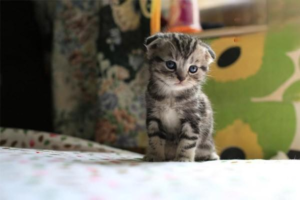
Do Cats Get Cold Outside in Winter?
Cats do feel the cold despite their thick coats, and once temperatures drop past what they can bear they get chilled and sick — so bring outdoor cats inside in winter. Raise food a little (they burn energy faster), keep them moving and sunny, dress them for outings, and shield pregnant cats and drafts to avoid winter colds and pneumonia.
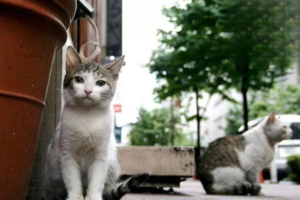
How to Care for Newborn Kittens
A newborn kitten with no mother is fragile and will not survive without help: keep it warm, get milk replacer into it fast, and stimulate it to relieve itself. Watch for dehydration and diarrhea, shield its young eyes from bright light, and start vaccines and deworming by two to three months.
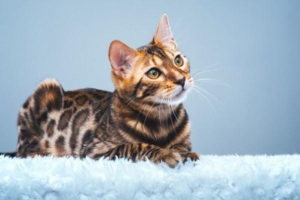
Why Newborn Kittens Die: Common Causes of Fading Kitten Syndrome
Most fading kittens die from preventable causes: the mother's low milk supply, being crushed in an undersized nest box, injury and infection, or chilling. Watch for a thin belly and constant crying (signs of hunger) and keep the whelping area warm and roomy — at least 40×40×40 cm, or 60 cm per side for large breeds like Ragdolls.

Understanding Normal Rabbit Behaviors
Knowing a rabbit's normal behaviors helps breeders spot problems early and respond in time. Key patterns include feeding and drinking, nursing, cecotrophe (soft stool) eating, and territorial marking. Recognizing what is typical versus abnormal is essential to rabbit health and productive husbandry.