Search Results
506 results for “liver disease cat”
Pet CoQ10 Buying Guide: Look Past the Marketing
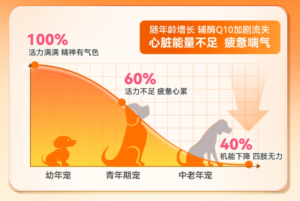
Middle-aged and senior pets, overweight animals, and heart-prone breeds such as Ragdoll and Siamese cats, Toy Poodles, Pomeranians, and Cavalier King Charles Spaniels are the ones most likely to need CoQ10. Yet the market is full of products that promise 'high content' with little to back it. This guide cuts through the marketing with the selection criteria that actually matter and the mistakes that waste your money.
Choosing a Pet CoQ10: Skip the Hype, Pick What Works
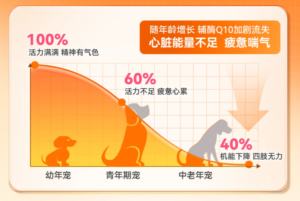
As pets reach middle and old age, heart care becomes unavoidable — especially for overweight cats and dogs and for breeds prone to heart disease such as Siamese and Ragdoll cats, Toy Poodles, Pomeranians, and Cavalier King Charles Spaniels. CoQ10 is a core heart nutrient and appears in veterinary cardiac plans, but the crowded market makes choosing hard. This guide explains what CoQ10 does and the three points that separate a working product from a hype-driven one.

CoQ10 for Dogs: Is It Worth the Hype?
CoQ10, or ubiquinone, is a fat-soluble compound that powers the heart and other high-demand organs through mitochondrial energy metabolism. Far from a gimmick, veterinary studies show it can improve heart function in dogs with mitral valve disease and congestive heart failure. This guide explains what CoQ10 does, why it is not a scam, which dogs benefit most, and how to supplement safely—including the drugs it must not be mixed with. It supports care but never replaces prescription heart medication.

Australian Spotted Arowana
The Australian spotted arowana (Scleropages leichardti) — also called the spotted barramundi or northern saratoga — is a large, nocturnal, fiercely aggressive arowana from eastern and northern Australia. A carnivorous tank boss that needs a big aquarium, soft acidic-to-neutral water, and careful, varied feeding.

Razor-backed Musk Turtle
The Razor-backed Musk Turtle (Sternotherus carinatus), affectionately called the 'razor' or 'little razor,' has a uniquely keeled, roof-like carapace. A common and easy musk turtle, it is active and interactive with keepers.

Common Spider Tortoise
The Common Spider Tortoise (Pyxis arachnoides) is a tiny forest tortoise endemic to Madagascar. Never captive-bred and only wild-caught in trade, it is demanding and listed on CITES Appendix I, so buy with caution.

LionHead Rabbit
The LionHead Rabbit is a small, gentle pet rabbit named for the ruff of long fur around its head that looks like a lion's mane. Originating in Belgium and bred in the Netherlands and US, it is sturdy and clean, needs daily coat care and a wire-free cage, and lives 5–7 years.

Green Arowana
The Green Arowana is the gentle, pale green-silver variety of the Asian arowana — less vivid and less costly than the golden or red forms, but unusually peaceful and mixable with other large fish. A big fish needing a covered 1.5 m tank at pH 6–7 and 25°C, it lives 10–12 years on a carnivorous diet of shrimp, insects, and lean meat.

Silver Arowana
The silver arowana (Osteoglossum bicirrhosum) is a large, dragon-shaped fish named for its silver scales; adults reach 90–100 cm. It needs a big covered tank, plenty of light, and a meat-based diet of shrimp, fish and insects.
Pink-ringed Tent Turtle
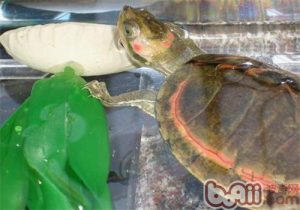
The Pink-ringed Tent Turtle (Pangshura tentoria) is a striking high-domed turtle with pink cheeks and a pink ring around its carapace, but it is delicate, with hatchling mortality often above 80%, mostly from skin rot. Best suited to experienced keepers who can provide stable temperatures and a basking area.