Search Results
506 results for “liver disease cat”
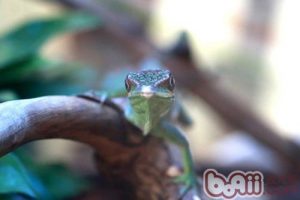
Green Anole
The Green Anole (Anolis carolinensis) is a small, tree-dwelling lizard from the southeastern United States and Caribbean, famous for changing color between green and brown, earning it the nickname 'American chameleon.' A diurnal, insect-eating pet that is easy to keep in a planted terrarium with heat and UVB.

Creaser’s Mud Turtle
Creaser's Mud Turtle (Kinosternon creaseri) is a lesser-known mud turtle with a dark shell and pale head. Known for its aggression and strong territoriality, it is rarely kept in captivity and seldom seen in the market.
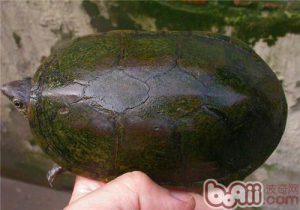
Oaxaca Mud Turtle
The Oaxaca Mud Turtle (Kinosternon oaxacae) is a type of mud turtle that aestivates in summer, burying itself in mud to cool down—hence its name. Living in slow-moving rivers, it hunts fish and shrimp in the water and is an omnivore that leans carnivorous.
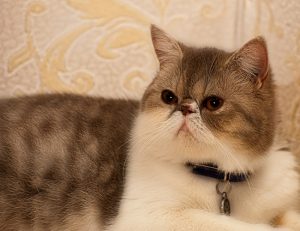
Exotic Shorthair
The Exotic Shorthair — everyone's "Garfield cat" — pairs the Persian's plush look with a short, easy-care coat. Sweet, calm, and affectionate, it's one of the most laid-back cat breeds to live with.

Canine and Feline Lymphosarcoma
Lymphosarcoma is a malignant cancer of the lymph nodes and lymphoid tissue that affects both dogs and cats, most often dogs over four years of age. It presents in multicentric, alimentary, and thymic forms, each with distinct clinical signs. While incurable, prompt chemotherapy can extend life from a matter of weeks to 6–24 months.
Canine and Feline Pancreatic Tumors
Pancreatic tumors occur in older dogs and cats and can be benign or malignant; many spread widely, especially to the liver. Insulin-secreting tumors cause low blood sugar, while surgical removal offers the best chance when caught early.

Canine and Feline Seborrheic Dermatitis: Symptoms, Treatment, and Prevention
Seborrheic dermatitis is a disorder of skin lipid metabolism in dogs and cats, producing dry scales, greasy sebum buildup, or inflamed crusted skin. It may be primary (often hereditary) or secondary to parasites, infection, or endocrine disease such as hypothyroidism.

Canine and Feline Hyperadrenocorticism (Cushing’s Syndrome)
Hyperadrenocorticism, or Cushing's disease, is an endocrine disorder in which the adrenal glands overproduce cortisol, most often because of a pituitary tumor. It causes increased thirst and urination, a ravenous appetite, muscle wasting, a pot-bellied appearance, and symmetric hair loss, and usually requires lifelong management.

Canine and Feline Caval Syndrome (Heartworm): Symptoms, Treatment, and Prevention
Caval syndrome is the acute, life-threatening form of heartworm disease in which adult worms suddenly obstruct the vena cava and heart, causing sudden collapse, bloody urine, and jaundice. Emergency surgical removal of the worms is the definitive treatment, and prevention depends on year-round parasite control.

Canine and Feline Toxoplasmosis: Symptoms, Treatment, and Prevention
Toxoplasmosis is caused by Toxoplasma gondii, with cats as the definitive host; dogs and cats are often silently infected but can develop respiratory and nervous signs. It is treated with sulfonamide-based anticoccidial therapy.