Search Results
799 results for “internal parasite”
What medication helps a vomiting cat?
Don't self-medicate - find the cause (hairball, parasites, gastritis, panleukopenia). Hairballs need malt paste; parasites need deworming; severe cases need a vet.

What to Do If Your Cat Has Tapeworms
Tapeworms cause belly discomfort, diarrhea, vomiting, weight loss, dull coat, and shedding; heavy infections shed visible segments near the anus, making the cat scoot or lick. Cats catch them by eating infected fleas, mice, or birds, through mother's milk, or from a contaminated environment. Treatment is a dewormer with praziquantel, fenbendazole, or albendazole plus probiotics, and strict flea control plus regular deworming prevents reinfection.
Why Your Cat Eats But Stays Thin
A cat that eats plenty yet stays thin can point to a weak digestive system, high activity, picky eating, illness, or genetics. If the cat is not naturally slender but eats well without gaining weight, a vet check is wise to rule out problems and adjust diet. Some cats are simply born lean and stay healthy that way, which is no cause for worry. Either way, forcing extra weight is unhealthy.
White Corydoras
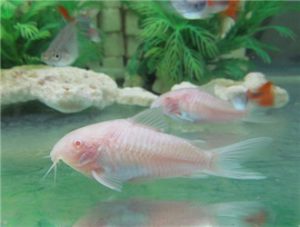
The White Corydoras is native to South American waters and is now mostly captive-bred. An albino form of the Bronze Cory, it has a milky white body with clear red eyes, is gentle, and is kept in schools. Egg-laying and good with small fish, it suits planted tanks as a bottom fish.
Banded-Tail Nanochromis
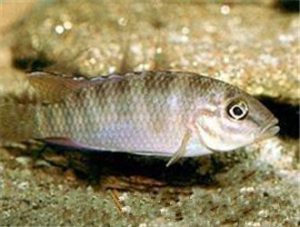
The Banded-Tail Nanochromis (Nanachromis caudifasciatus) is a relatively large, peaceful cichlid native to the southern river basins of Cameroon, making it a manageable species for aquarists. Males can be aggressive toward one another, so careful acclimation is needed to prevent fighting. Hardy and easy to keep, it readily breeds in the home aquarium.

Water Monitor
A large, intelligent, semiaquatic monitor from Asia - powerful, escape-prone, and strictly for keepers who can provide serious space.
Pruritus (Itching) in Dogs and Cats: Symptoms, Causes, and Relief
Pruritus is a symptom rather than a disease, signaling an underlying problem such as parasites, eczema, diabetes, endocrine imbalance, or nutritional deficiency. Lasting relief comes from treating the root cause, not just suppressing the itch.

Pica in Dogs and Cats
Pica is the compulsive eating of non-food objects such as stones, plastic, grass or wall plaster. It often signals a nutritional gap, pancreatic disease or parasites, and swallowed items can obstruct or perforate the digestive tract.
Lymphangitis and Lymphadenitis in Dogs and Cats: Symptoms, Treatment, and Prevention
Lymphangitis and lymphadenitis are inflammations of the lymph vessels and nodes, usually from infection, immune disorders, or tumors. Signs vary by location but center on swelling, pain, and systemic inflammation, and treatment targets the underlying disease.
What does cat diarrhea look like?
Normal stool is firm and cylindrical; diarrhea is soft, loose, or watery with a stronger odor. Causes include parasites and bacterial/viral enteritis. Bloody or tarry stool suggests panleukopenia—see a vet at once.