Search Results
753 results for “internal parasite”

What Internal Parasites Do Dogs Have?
Probably all dog owners have seen their dog have diarrhea, bloody stool, or abnormal behavior-this may mean your dog is infected with parasites! So what are the common parasitic infections in dogs, and what symptoms usually appear after infection?

Toxoplasmosis: An Internal Parasite in Pets
How much do you know about Toxoplasma, an internal parasite in pets?

Internal Parasites of Dogs and Cats
For pet owners, parasites on cats and dogs are a headache. Small but serious, they can even kill. What parasites meet our fur babies, and how to prevent them?

Signs Your Dog Has a Heavy Internal Parasite Load
Dog owners know a dog's environment easily breeds parasites. Without regular deworming, parasites accumulate inside and out, harming health. Here are the signs your dog has many internal parasites.
What happens if a Poodle has internal parasites?
Worms like roundworms and hooks steal nutrients, causing weight loss, low immunity, and stunted growth; they also damage the gut lining, causing bloody stool, anemia, lethargy. Poor nutrition harms coat, and heavy loads cause a big belly with thin limbs and worms in stool.
What happens if a Teddy has many internal parasites?
Heavy internal parasites cause digestive issues - poor appetite, vomiting, diarrhea, constipation. They steal nutrients, causing malnutrition, anemia, weight loss, dry coat, and poor growth. Some migrate to organs, causing cough, breathing trouble, fatigue, fast heart, and pale membranes.
What happens if my dog has worms (internal parasites)?
Internal parasites usually cause poor appetite, weight loss, diarrhea, vomiting, scooting, and dry coat. Worms can damage the intestinal lining, leading to blood, jelly-like mucus, and eggs in the stool.
How can I tell if a puppy has internal parasites?
Check the puppy's energy and appetite, its stool for blood or worms, and its weight and body condition. If parasites are suspected, a vet blood and fecal exam plus regular deworming is best.
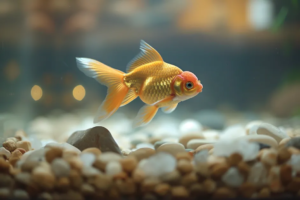
How to Treat Internal Parasites in Arowana?
The first-choice drug for internal parasites in arowana is fenbendazole, which kills most internal worms. It works well but is highly toxic with side effects, so many keepers fear it; the key is the correct dosage. Our veterinarian mainly introduces its usage, hoping to help.
What happens if a dog has internal parasites?
Internal worms cause digestive issues—diarrhea, vomiting, bloating. Some absorb nutrients, causing anemia and weight loss. Others weaken immunity, inviting disease. Worms also dull the coat, itch the skin and cause bad breath. Regular deworming and clean environment are vital.