Search Results
2323 results for “inflammation”

Causes of Rabbit Pica
Rabbit pica — the compulsive eating of non-food items such as fur, bedding, or newborn kits — usually arises from a mix of behavioral, environmental, nutritional, and health factors. Cage confinement, stress, poor husbandry, low fiber or mineral gaps, and skin parasites are the most common triggers. The fix starts with finding the root cause: a calm, clean enclosure, plenty of hay, added minerals, and prompt parasite treatment.

Foods Hamsters Can Eat (Part 1)
Hamsters are easy to feed and not picky, but some human foods need care. This guide covers millet, banana (better as chips), peach, plum, and jujube—all in small amounts alongside a proper seed mix, since too much water or sugar brings diarrhea or kidney strain.
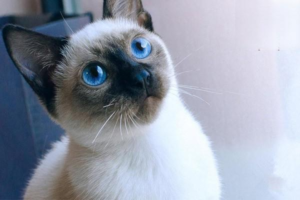
Why Your Cat’s Eyes Water and Produce Discharge
Increased eye discharge in cats is usually caused by diet-related imbalance, foreign objects, physical trauma, or viral and bacterial infection. For simple discharge, keep the eyes clean with saline and improve hydration and diet; for inflammation, use vet-recommended antibiotic eye drops and keep your cat in low light.

Symptoms of Gastroenteritis in Rabbits
Gastroenteritis hits rabbits of any age but kills many kits; catch it early or it's often fatal, so prevention beats treatment. Signs are foul, watery diarrhea with mucus, blood, and undigested feed, a soiled rear, a fever that then crashes below normal, and later lethargy, dehydration, and sunken eyes. Prevent with strict diet and hygiene; treat with antibiotics, anti-diarrheals, and fluid therapy.

Why Your Dog’s Eyes Are Bloodshot and What to Do
Bloodshot eyes usually come from a stray particle, an infection or inflammation, or dietary 'heat.' Remove the irritant and use pet eye drops for inflammation, while boosting water intake and switching to a lighter diet for heat-related redness.
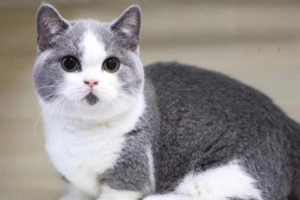
Why Your Cat Has a Lot of Eye Discharge and How to Handle It
Excess eye discharge usually means dietary heat, eye inflammation, or a herpesvirus infection. Clean the eye and use the right drops, and boost water intake with fountains, extra bowls, and broth.

Constipation in Cats and Dogs
Constipation means stool hardens and lodges in the intestine, possibly causing full blockage; it is common in seniors but also young pets fed a single diet with little water or exercise. Treatment ranges from enemas and laxatives to surgery for megacolon, and a high-fiber recovery diet helps prevent relapse.

How to Remove Ticks from a Dog
The 'dog bean' owners mention is simply a tick, best dealt with using a topical parasiticide rather than yanking it off by hand. If you pull a tick, grip it with fine tweezers after dabbing alcohol and never leave the mouthparts in the skin, or infection will follow. For bite-site dermatitis, disinfect daily and apply an antiseptic spray, adding zinc oxide ointment if inflammation is severe.

Acute Pancreatitis in Cats and Dogs
Acute pancreatitis is self-digestion of the pancreas by its own enzymes, striking dogs far more often than cats and showing as sudden belly pain, shock, and peritonitis. Triggers range from bile-duct blockage and fatty meals to infections and certain drugs; treatment focuses on shutting down pancreatic secretion, controlling infection and pain, and correcting fluids — and the hemorrhagic form carries a guarded prognosis.

Cat Kidney Failure: Symptoms and Treatment
Kidney disease is a leading killer of cats, and renal failure comes in two forms — acute (ARF), often from blockage, toxins like antifreeze, or infection and reversible with fast care, and chronic (CRF), a progressive, permanent decline common in older cats. Management means prescription renal food, ongoing meds, appetite support, and plenty of water; catch it early, because CRF hides until uremia appears.