Search Results
2323 results for “inflammation”

Will a Feverish Cat Get Better on Its Own?
A cat rarely shakes off a fever by itself, because fever means inflammation is already underway — a low-grade temp may sometimes settle, but a high one usually needs hands-on cooling and, often, medication. Start with cooling (alcohol or cool water on paw pads, ear tips, and belly) and fluids; only move to drugs or shots once a vet has made a diagnosis.

What to Do When a Hairless Cat Catches a Cold
Hairless cats have no fur to insulate them, so they catch chills easily—keep a sick cat warm, hydrated, and well-fed, and use heat-clearing or antiviral medication for cold symptoms. If eye discharge, red eyes, or fever appears, the cause may be feline rhinotracheitis and needs prompt veterinary care. Year-round, hairless cats need indoor living, clothing in winter, regular wiping in summer, and a calm, safe environment.

Preventing Dog Skin Problems in the Rainy Season
Warm, wet weather lets bacteria, fleas, and mites breed in a dog's coat, and damp fur after rain or baths is a top trigger for itch and inflammation. Four moves keep skin healthy: avoid rain, dry paws and coat after walks, keep the home below 50–60% humidity, and bath or dry-clean thoroughly — watch for red patches, scabs, or constant scratching.

Common Hereditary Diseases in Purebred Cats
Selective breeding has given us stunning purebred cats but also concentrated many hereditary diseases—from polycystic kidney disease and hypertrophic cardiomyopathy to the cartilage disorder behind folded ears. Knowing which conditions each breed is prone to helps owners catch problems early.

Can Kennel Cough Be Cured? Symptoms and Treatment
Kennel cough is a highly contagious canine respiratory infection (canine adenovirus type II) marked by a harsh, barking, often night-worse cough. Most cases are mild and clear with cough control plus antibiotics, though puppies under six months can develop dangerous bronchopneumonia.

What Causes Blood in a Dog’s Urine?
Blood in urine usually means a few streaks rather than a gush, but it warrants attention. Common causes are urinary-tract disease (cystitis, urethritis, stones), poisoning from onion/chocolate/grapes, or pseudo-blood from a male in heat. Get a diagnosis first; treatment ranges from fluids and surgery to neutering.

Can Feline Asthma Be Cured? How Is It Treated?
Feline asthma is a chronic, allergy-driven condition that can't be cured, only managed. Triggers include scents, smoke, dust, and obesity; attacks show as coughing, wheezing, and the telling 'hen squat.' Keep the air clean and see a vet the moment that posture appears.

What to Do When a Dog’s Gastroenteritis Keeps Coming Back
Recurring gastroenteritis shows up as vomiting, foul watery diarrhea, abdominal pain, and dehydration, often driven by overeating, contaminated food, or weak gut immunity. Prevent flare-ups with fresh clean water, fixed meal portions, and slow-feeder bowls; see a vet promptly if dehydration sets in.

Can Feline Infectious Peritonitis Be Cured? How to Prevent It
FIP comes from a mutated coronavirus and appears as wet (ascites) or dry (eye/seizure) forms; diagnosis needs more than fluid alone. Treatment is supportive care plus antivirals, while prevention hinges on a clean environment and strong immunity. Despite the name, it isn't passed directly between cats.
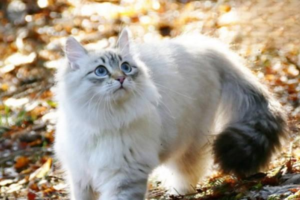
Why a Cat Still Has Blood in Its Stool After Probiotics
Blood in a cat's stool usually means intestinal parasites or gastroenteritis (often feline coronavirus), not a probiotic deficiency. Deworm and sanitize for parasites; use an anti-diarrheal plus probiotics for gut inflammation. If bleeding persists despite a quality live probiotic, the case is too severe for probiotics alone.